Rekawa Turtle Conservation Project
 Wildlife

About Rekawa Turtle Conservation Project
A premier community-led sea turtle conservation sanctuary on Sri Lanka's southern coast, offering ethical night-watch experiences.
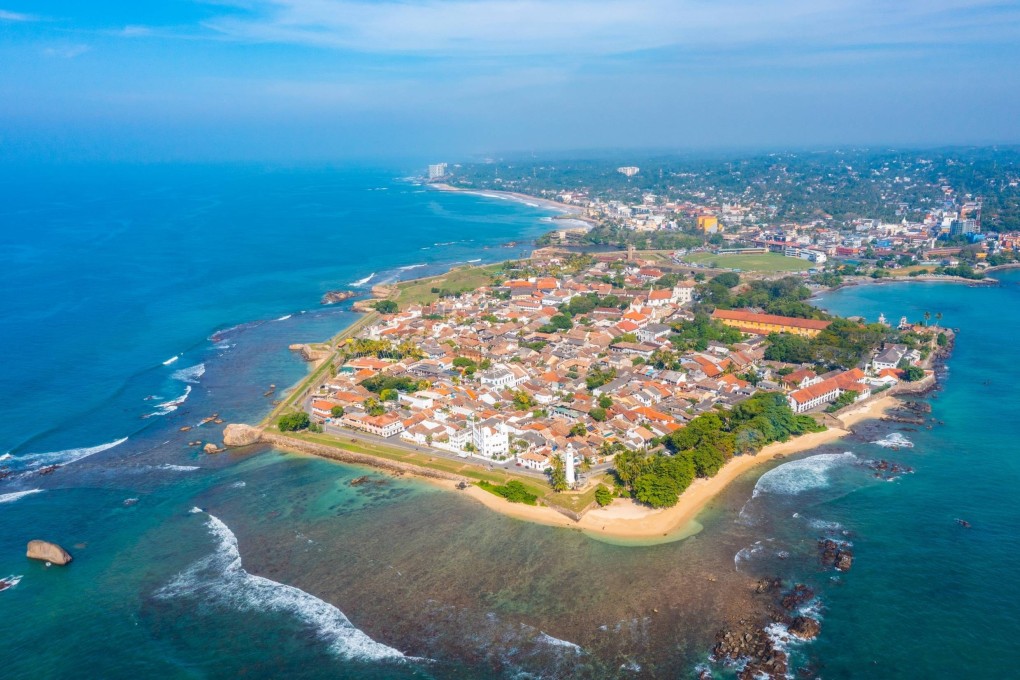
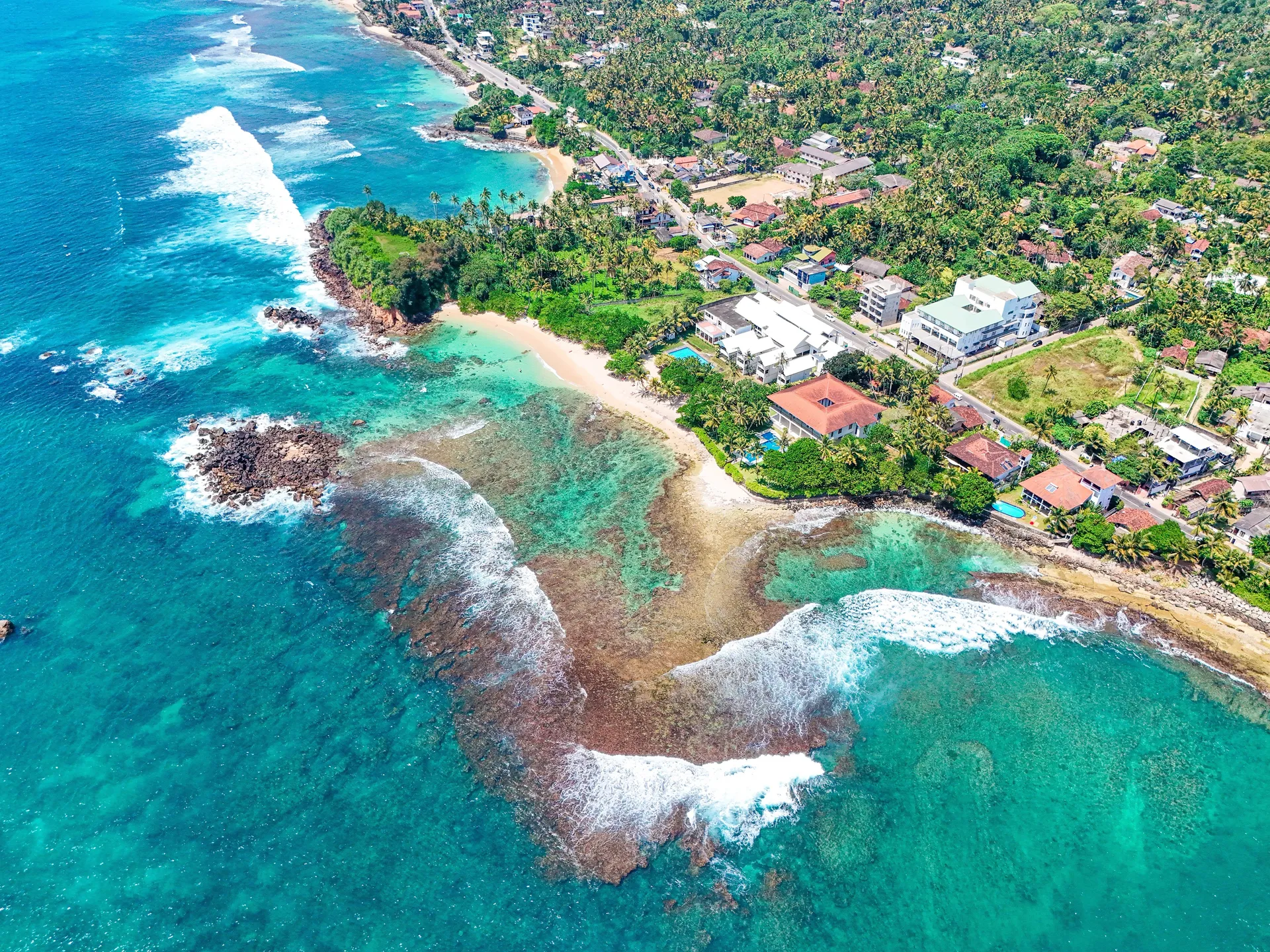
Nestled along a pristine 10-kilometer stretch of golden sand just east of Tangalle, the Rekawa Turtle Conservation Project stands as a global beacon for ethical marine wildlife preservation. Established to combat rampant egg poaching and protect vulnerable marine species, Rekawa Beach was officially declared a wildlife sanctuary in 2006. Today, the project is proudly managed by local community members and conservationists who patrol the shoreline nightly to safeguard nesting sea turtles in their natural habitat.
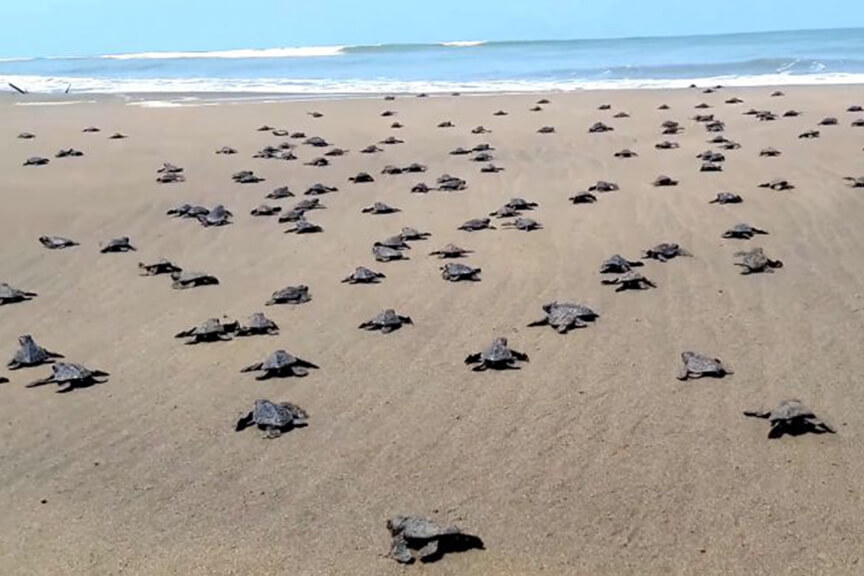
Unlike captive hatcheries, Rekawa offers an entirely unscripted, in-situ nesting experience. Five of the world's seven sea turtle species—including green turtles, loggerheads, hawksbills, olive ridleys, and majestic leatherbacks—come ashore under the cover of darkness to lay their eggs. Visitors joining the guided night tours experience the profound privilege of witnessing these ancient marine creatures crawl onto the beach, dig their nests, and deposit eggs under strict low-impact conservation protocols, making it an unforgettable educational pilgrimage for nature lovers.
What to expect
Highlights
- Witness wild sea turtles coming ashore naturally to nest along a pristine, moonlit protected beach sanctuary.
- Observe up to five endangered marine species, including green turtles, olive ridleys, and rare giant leatherbacks.
- Support grassroots community conservation efforts where former egg poachers now serve as expert local guides and protectors.
- Learn about marine biology, incubation cycles, and coastal preservation at the onsite visitor center and information hub.
- Experience ethical, low-impact wildlife tourism with strict rules ensuring zero disturbance to the animals.
Traveler reviews
Ratings and experiences from visitors
No traveler reviews written yet for Rekawa Turtle Conservation Project.
Traveler photos
Photos of this destination
Questions & answers
What is the dress code or entrance etiquette?
Wear comfortable, dark-colored clothing that blends into the night environment. Absolute silence, zero flash photography, and strict adherence to guide instructions are mandatory to protect the nesting turtles.
What is the entry ticket fee for foreigners and locals?
Admission for foreign adults is 2,000 LKR (and 1,000 LKR for children), while local adult residents pay a subsidized community rate of 500 LKR, directly funding beach patrols and conservation.
How long does a typical visit take?
A typical visit lasts between 2 to 4 hours starting from 8:00 PM onwards, as visitors wait at the center until patrol guides locate a turtle on the nesting beach.
Are cameras and photography permitted?
Standard cameras and smartphones are allowed only during the briefing at the visitor center. All flash photography, video lights, and torches are strictly banned on the beach to prevent disorienting the turtles.