Nallur Kandaswamy Kovil
 Religious Places

About Nallur Kandaswamy Kovil
Sri Lanka's most sacred Hindu temple, famed for towering golden Dravidian gopurams, rhythmic daily pujas, and the vibrant annual Nallur Festival.
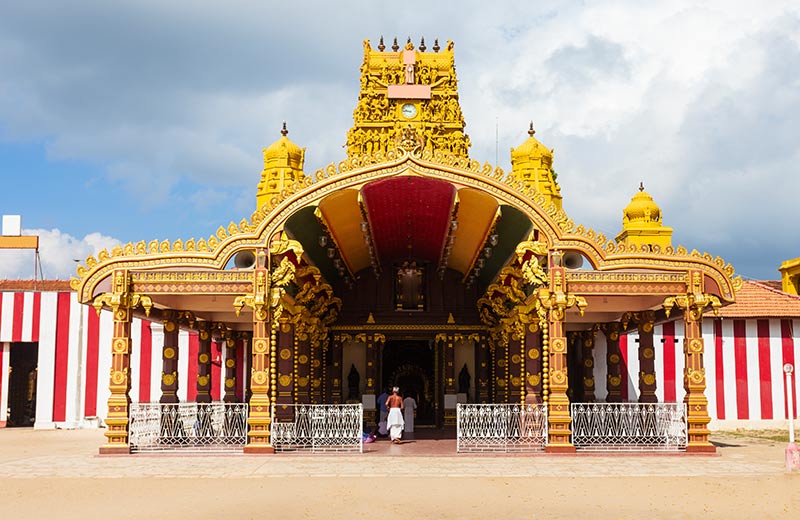
Originally founded in 948 CE and later developed during the reign of the Jaffna Kingdom as the royal capital's spiritual anchor, Nallur Kandaswamy Kovil (Nallur Kandaswamy Devasthanam) stands as the supreme citadel of Tamil Hindu spirituality in Sri Lanka. Dedicated to Lord Murugan (Skanda / Karthikeya), the god of war, wisdom, and victory, the sacred shrine served as the religious protectorate of the Aryacakravarti dynasty. Although destroyed during the Portuguese conquest of Jaffna in the early 17th century, the sacred kovil was rebuilt in 1734 on Kurukkal Valavu, evolving across centuries into the magnificent architectural and cultural sanctuary seen today.
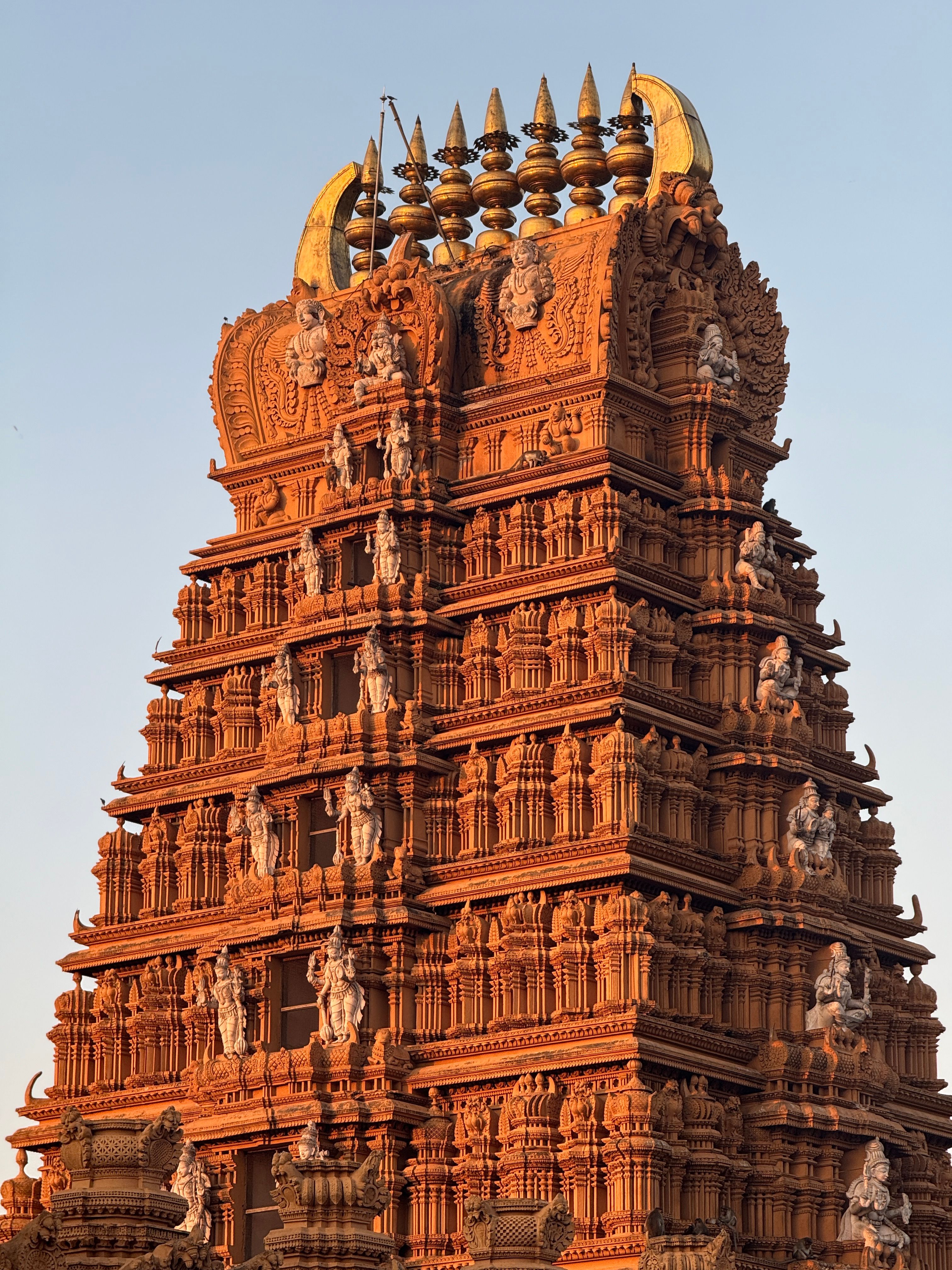
Approaching the temple along Point Pedro Road, visitors are immediately captivated by its soaring, golden-hued Dravidian gopurams (multi-tiered gateway towers) intricately carved with depictions of deities, celestial nymphs, and epic mythological episodes. Stepping into the expansive, granite-paved compound brings an unforgettable sensory awakening: the resonant wail of nadaswaram wind pipes and the hypnotic cadence of thavil drums, rich clouds of burning incense and camphor, and thousands of glowing oil lamps reflecting against polished brass sanctums and the sacred step-well pool (Theertha Keni).
The temple devasthanam operates under meticulous agamic traditions and clockwork precision, holding six elaborate daily puja ceremonies that draw devout worshippers from across the island and diaspora. Each year in August, the temple hosts the legendary 25-day Nallur Festival, one of South Asia's greatest spiritual spectacles, culminating in a colossal wooden chariot (Ther) procession pulled through streets carpeted in red sand by hundreds of thousands of pilgrims. Whether visiting during festival season or experiencing an intimate evening ceremony, Nallur offers an extraordinary journey into timeless Dravidian faith and living Tamil heritage.
What to expect
Highlights
- Marvel at the monumental multi-tiered golden Dravidian gopurams adorned with intricate sculptures of Hindu deities.
- Immerse yourself in the hypnotic spiritual ambiance of the evening puja ceremony, filled with sacred nadaswaram melodies and thavil drumming.
- Admire the sacred step-well temple tank (Theertha Keni) enclosed by graceful carved colonnades and pavilions.
- Experience the world-renowned 25-day Nallur Festival in August, featuring massive hand-pulled wooden chariot processions.
- Explore nearby remnants of the ancient Jaffna Kingdom, including King Cankili's palace gateway and the historic Yamuna Eri pond.
- Sample famous northern delicacies nearby, such as traditional Jaffna sweets and ice cream at the legendary Rio Ice Cream parlor.
Traveler reviews
Ratings and experiences from visitors
No traveler reviews written yet for Nallur Kandaswamy Kovil.
Traveler photos
Photos of this destination
Questions & answers
What is the dress code or entrance etiquette?
Dress code is strictly enforced: men must remove their upper clothing and enter bare-chested wearing a traditional veshti (dhoti) or long trousers, while women must dress conservatively in sarees, salwar kameez, or long skirts covering shoulders and legs. Footwear must be deposited outside.
What is the entry ticket fee for foreigners and locals?
Admission to Nallur Kandaswamy Kovil is completely free for all international visitors and local devotees alike, though voluntary donations placed in temple charity boxes are warmly welcomed.
How long does a typical visit take?
A typical visit lasts between 1 to 2 hours, which allows sufficient time to deposit footwear, observe the grand evening puja rituals, and walk around the sacred temple courtyards.
Are cameras and photography permitted?
Photography, videography, and mobile phone use are strictly prohibited inside the inner temple courtyards and sanctum to preserve religious sanctity. Photography is permitted only outside the perimeter walls and during street processions.
What is the best time of day to attend puja ceremonies?
The evening puja around 5:00 PM to 6:30 PM is the most atmospheric time to visit, as the midday heat subsides and the temple glows with oil lamps to the sound of traditional pipes and drums.

