Nilaveli Beach
 Beaches
About Nilaveli Beach
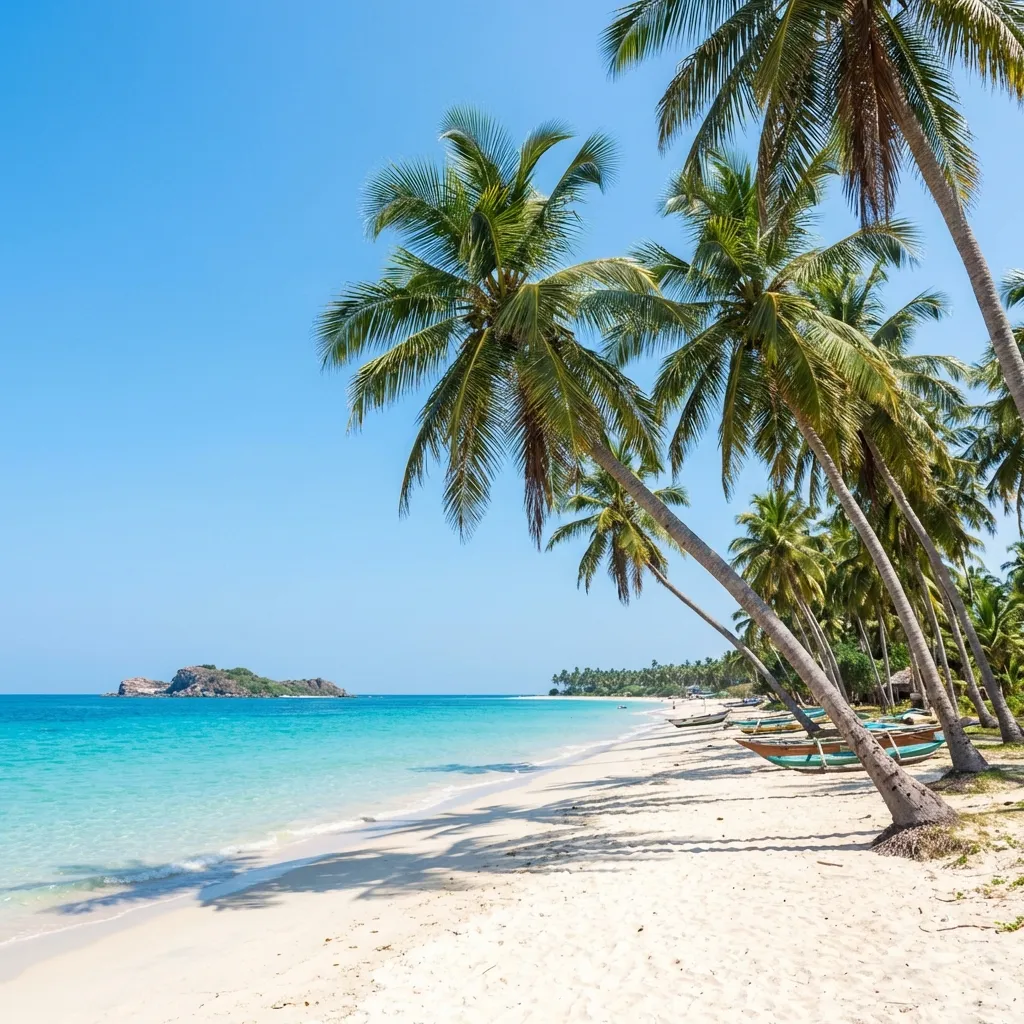
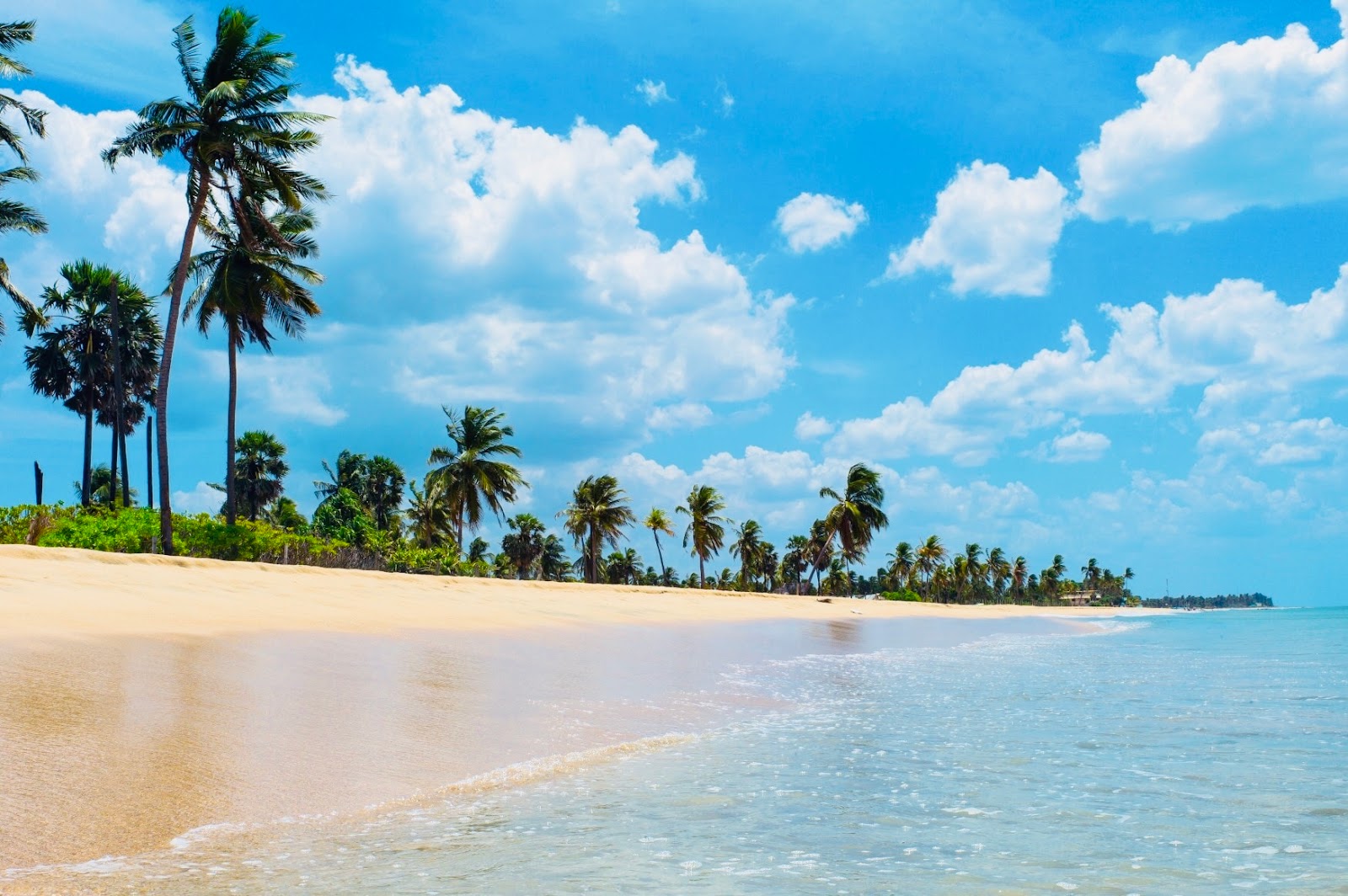
A pristine, wide stretch of soft white sands and gentle turquoise waters north of Trincomalee, serving as the gateway to Pigeon Island.
Situated approximately 16 kilometers north of Trincomalee along Sri Lanka's sun-drenched eastern seaboard, Nilaveli Beach is widely celebrated as one of the island's most pristine, spacious, and tranquil coastal sanctuaries. The name 'Nilaveli' translates poetically from Tamil as 'moonshine open land' (and in Sinhala as 'blue sand'), reflecting the luminous quality of its expansive, pale golden shoreline. Historically an artisanal fishing settlement fringed by palm groves and coastal lagoons, the area has maintained its authentic, unhurried charm, offering an idyllic escape far removed from the heavily developed tourist strips of the southern coast.
The beach is renowned for its calm, crystal-clear turquoise waters that remain shallow and gentle for hundreds of meters from the shore, providing exceptionally safe swimming conditions throughout the dry season from May to September. Just a short boat journey offshore lies Pigeon Island National Park, one of Sri Lanka's two marine national parks, making Nilaveli the primary launchpad for world-class snorkeling adventures amidst vibrant live coral reefs, graceful sea turtles, and harmless blacktip reef sharks.
Beyond marine exploration, spending time at Nilaveli offers the pure tranquility of an untouched tropical retreat. Visitors can enjoy long, solitary beach walks across kilometers of fine sand, watch local fishermen haul traditional 'madel' shore seine nets in the early morning mist, and savor fresh catch-of-the-day seafood at laid-back beachfront shacks. Conveniently located near Trincomalee's prominent cultural attractions—including the clifftop Koneswaram Temple, Fort Frederick, and Kanniya Hot Springs—Nilaveli Beach remains an essential stop for any traveler exploring eastern Sri Lanka.
What to expect
Highlights
- Wade and swim in remarkably calm, crystal-clear turquoise waters that remain shallow far from shore during the dry season.
- Board a 15-minute boat shuttle from the beach to Pigeon Island National Park for premier coral reef snorkeling.
- Encounter rich marine biodiversity, including harmless blacktip reef sharks, colorful parrotfish, and gentle sea turtles.
- Stroll along kilometers of wide, uncrowded pale sands framed by swaying coconut palms and traditional wooden outrigger boats.
- Watch local artisanal fishermen haul traditional 'madel' shore seine nets in the gentle morning light.
- Combine seaside relaxation with day trips to historic Trincomalee landmarks like Koneswaram Temple and Fort Frederick.
Traveler reviews
Ratings and experiences from visitors
No traveler reviews written yet for Nilaveli Beach.
Traveler photos
Photos of this destination
Questions & answers
What is the dress code or entrance etiquette?
Casual swimwear and beach attire are standard along the shore. Out of respect for local Tamil and Muslim village traditions, visitors should cover up with lightweight clothing or sarongs covering shoulders and knees when walking through town or visiting religious shrines.
What is the entry ticket fee for foreigners and locals?
Access to Nilaveli Beach and its public shoreline is 100% free of charge for all international visitors and locals. If taking a boat excursion to Pigeon Island National Park, separate national park admission fees (approx. 25-30 USD for foreigners / 150 LKR for locals) and boat transfer fares apply.
How long does a typical visit take?
A typical stay ranges from 2 to 4 days, allowing ample time for relaxed swimming, a morning snorkeling trip to Pigeon Island, exploring Trincomalee's historic landmarks, and unwinding at seaside cafes.
Are cameras and photography permitted?
Yes, photography is warmly welcomed across the entire beach, coastlines, and during boat tours. An underwater action camera or waterproof phone pouch is highly recommended for capturing coral reefs and sea life at Pigeon Island.
When is the best season to visit Nilaveli Beach?
The prime season runs from May through September, when the east coast enjoys dry, sunny weather and flat, crystal-clear seas, perfectly offsetting the southwest monsoon affecting the south and west coasts.


