Sigiriya Rock Fortress
 Ancient Sites

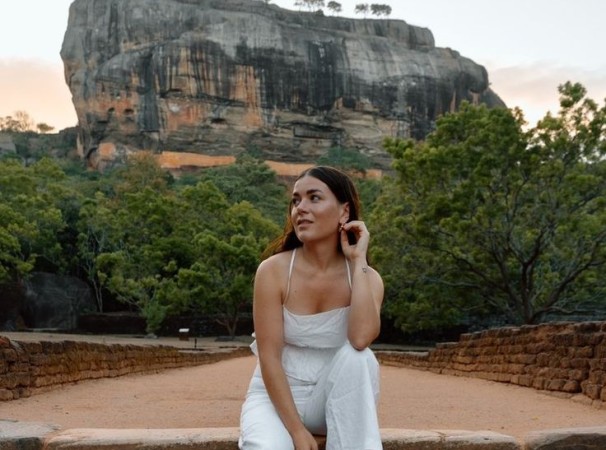
About Sigiriya Rock Fortress
Sri Lanka's premier UNESCO World Heritage site, rising 200 meters with ancient royal gardens, frescoes, and a sky-high palace.
Rising nearly 200 meters above the central plains, Sigiriya Rock Fortress is an awe-inspiring testament to 5th-century urban design, hydraulics, and architecture. Selected by King Kasyapa as his royal capital following a dynastic power struggle, this monolithic granite pillar served as both an unassailable fortress and a lavish pleasure palace. At ground level, the complex features symmetrical water gardens, moats, and boulder terraces powered by a subterranean hydraulic network so sophisticated that its fountains still function after monsoon rains.
The vertical journey to the summit ascends through a gallery of cultural masterpieces. Halfway up the cliff face, nestled within a sheltered rock pocket, are the celebrated Sigiriya Frescoes—exquisite paintings of celestial maidens preserved for over 1,500 years. Adjacent lies the Mirror Wall, finished with a porcelain-smooth glaze that inspired ancient travelers to etch poetic graffiti recording their wonder. Beyond, the monumental Lion Staircase commands the northern terrace, where twin carved stone paws frame the narrow passage leading upward.
Reaching the 1.6-hectare flat summit rewards climbers with the foundations of the ancient sky palace, royal bathing pools, and breathtaking 360-degree vistas stretching across emerald forests to the Knuckles Mountain Range. Blending profound history, ancient ingenuity, and dramatic natural scenery, Sigiriya remains the quintessential bucket-list highlight of Ceylon.
What to expect
Highlights
- The monumental Lion Staircase featuring colossal hand-carved stone paws guarding the final ascent
- The 5th-century Sigiriya Frescoes showcasing graceful celestial maidens painted on the cliff face
- The polished Mirror Wall bearing centuries-old Sinhala poetic graffiti left by early visitors
- Symmetrical royal water gardens equipped with ancient gravity-fed fountains and bathing ponds
- Ruins of King Kasyapa's royal palace, throne, and cisterns situated atop the flat granite summit
- Panoramic 360-degree views overlooking dense tropical jungles, Sigiriya village, and Pidurangala Rock
Traveler reviews
Ratings and experiences from visitors
No traveler reviews written yet for Sigiriya Rock Fortress.
Traveler photos
Photos of this destination
Questions & answers
What is the dress code or entrance etiquette?
Because Sigiriya is an archaeological ruin rather than an active Buddhist temple, there is no religious dress code requiring covered shoulders or bare feet. However, modest, lightweight, and breathable clothing is advisable alongside sturdy walking shoes with strong grip for the 1,200 metal and stone steps.
What is the entry ticket fee for foreigners and locals?
Admission for foreign adults is approximately USD 36 (or local currency equivalent at official central bank rates), while SAARC country passport holders pay USD 18. Sri Lankan citizens pay an entry fee of LKR 100. Tickets include entrance to the on-site archaeological museum.
How long does a typical visit take and how difficult is the climb?
A complete visit requires between 2.5 and 3.5 hours, including the walk through the water gardens, ascending the 1,200 steps, exploring the summit ruins, and touring the museum. The climb involves moderate to strenuous cardiovascular exertion, particularly along the narrow metal staircases.
Are cameras and photography permitted?
Handheld photography and videography are freely permitted across the landscaped grounds, staircases, and summit plateau. However, photography and filming are strictly prohibited in the Fresco pocket to prevent flash damage and pigment degradation, and commercial drone usage requires prior clearance.
When is the optimal time of day to make the ascent?
The best time to start the climb is right at opening time (6:30 AM) to experience cooler temperatures and minimal crowds, or in the late afternoon around 3:30 PM to watch the sunset over the central plains.

