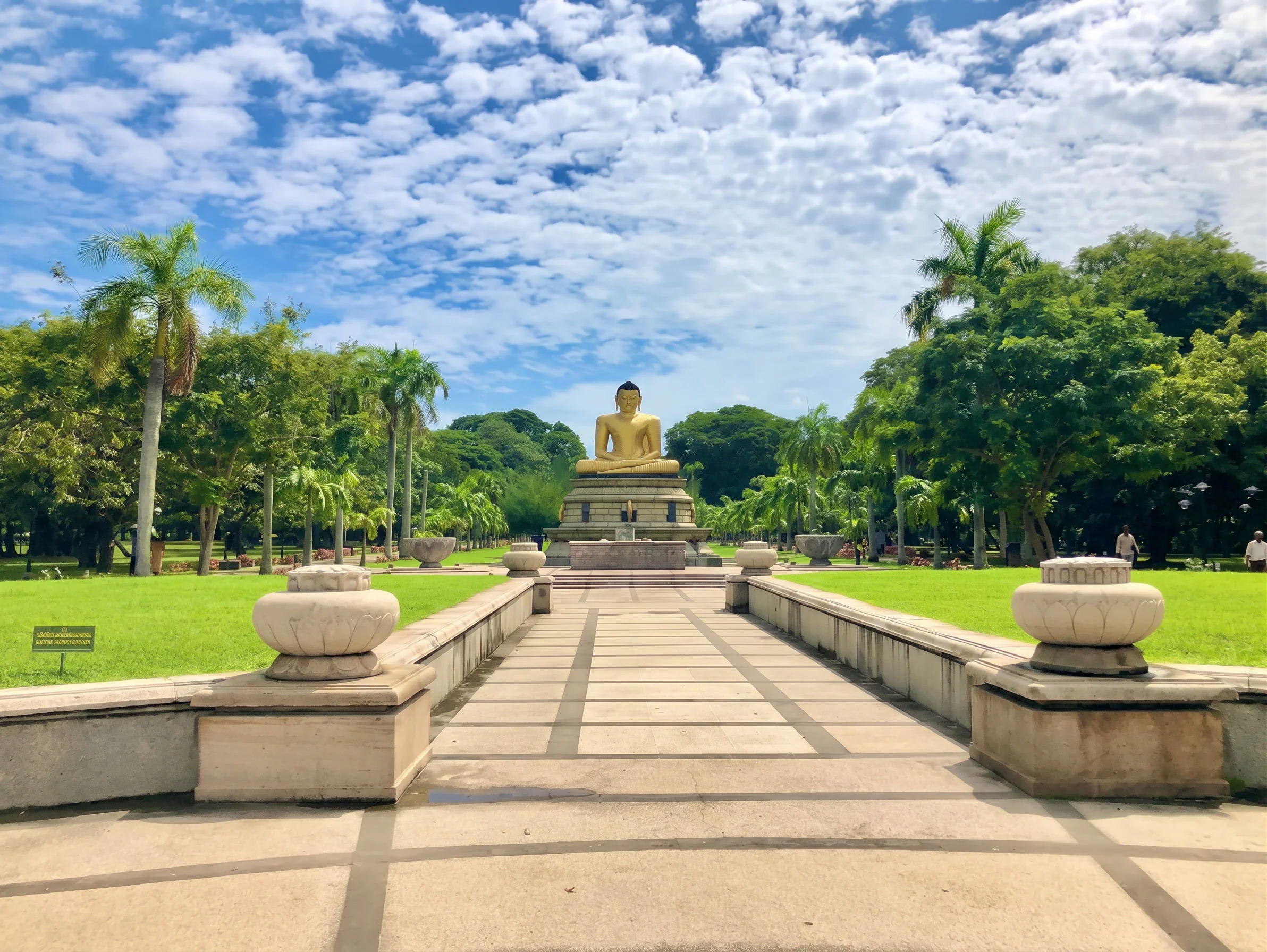
Bellanwila Rajamaha Viharaya
 Religious Places
About Bellanwila Rajamaha Viharaya
A revered ancient Buddhist temple near Colombo famed for its sacred Dethis Phalaruha Bodhi tree and Somabandu Vidyapathy murals.
Situated just south of Colombo in the leafy suburb of Dehiwala-Mount Lavinia, Bellanwila Rajamaha Viharaya is one of the most venerated Buddhist temples in Sri Lanka's Western Province. The temple's sacred lineage stretches back to the 3rd century BCE during the reign of King Devanampiyatissa, when one of the thirty-two saplings (Dethis Phalaruha Bodhi) sprouted from the Jaya Sri Maha Bodhi in Anuradhapura was planted here. After falling into obscurity during the 16th-century Portuguese coastal invasions, the ancient Bodhi tree was miraculously rediscovered in 1850 along the marshy banks of the Bolgoda canal by Ven. Thengodagedara Hamuduruwo, sparking a modern renaissance of the sanctuary.
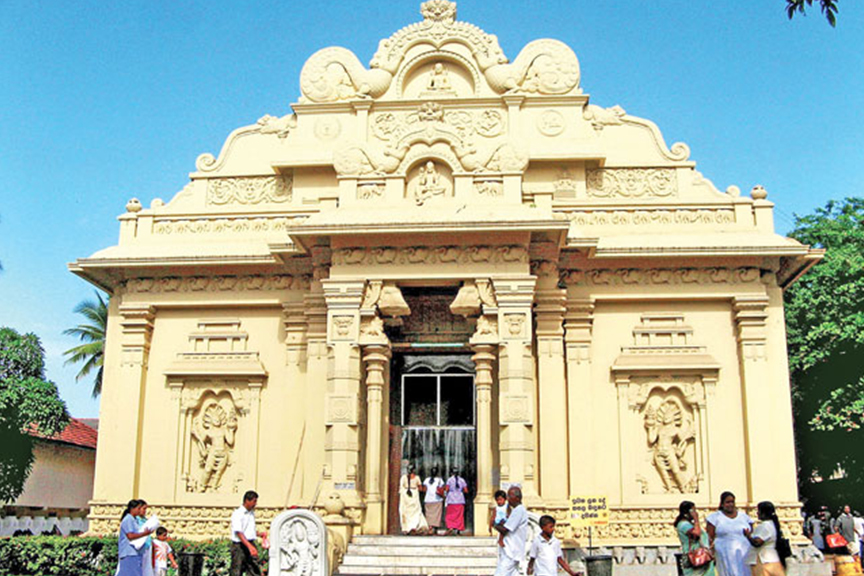
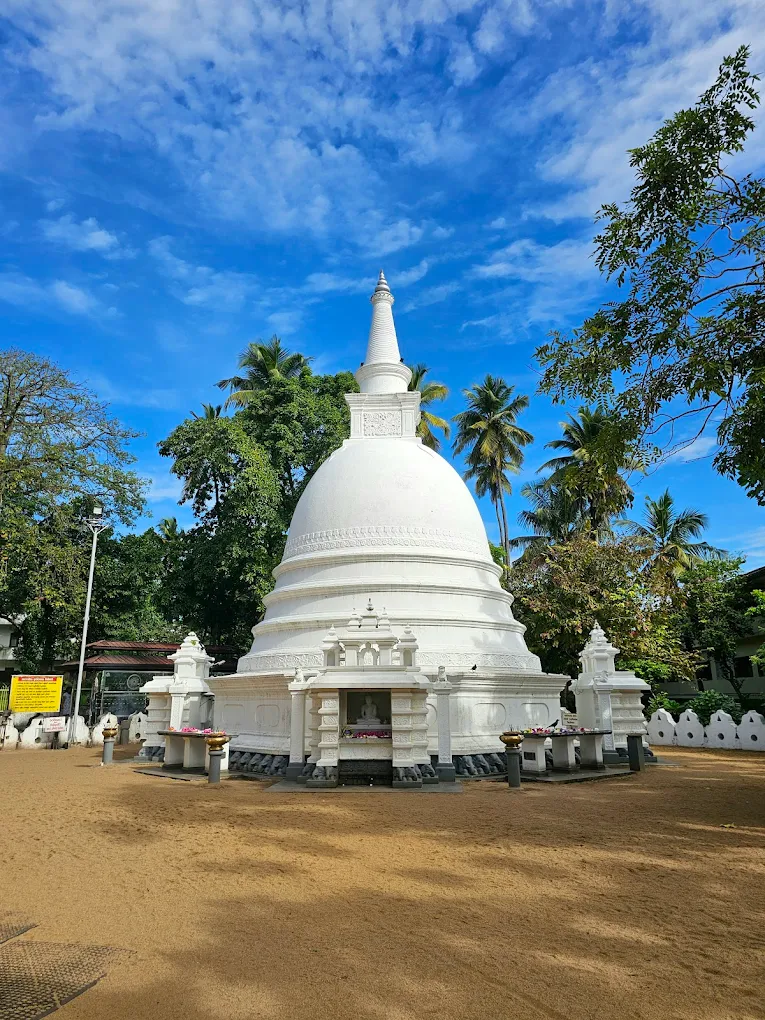
Architecturally and artistically, the temple complex is a masterpiece of contemporary Sri Lankan Buddhist heritage. In the late 20th century, the shrine room (Budu Ge) was adorned with magnificent wall murals painted by the legendary Sri Lankan artist Somabandu Vidyapathy. Drawing structural inspiration from the classic frescoes of Polonnaruwa and Ajanta while infusing dynamic modern expression, these paintings vividly chronicle the life of Lord Buddha from his birth to Parinirvana. Surrounding the ancient Bodhi tree are gleaming whitewashed ramparts, a serene bell-shaped stupa, and dedicated shrines (devalayas) honoring Hindu-Buddhist guardian deities including Kataragama, Vishnu, and Pattini.
Every August, the temple becomes the epicenter of cultural celebration during the Bellanwila Esala Perahera, an extravagant week-long pageant initiated in 1950 by Ven. Bellanwila Sri Somaratana Nayaka Thera. Featuring scores of richly caparisoned elephants, traditional Kandyan and low-country dancers, fire-breathers, and rhythmic drummers, the festival attracts thousands of devotees and travelers. Outside festival season, the adjacent Bellanwila-Attidiya Sanctuary walking track offers visitors a peaceful wetland stroll right beside the temple grounds.
What to expect
Highlights
- The sacred 2,300-year-old Bellanwila Bodhi Tree, one of the original thirty-two saplings of the Jaya Sri Maha Bodhi in Anuradhapura.
- Masterpiece interior shrine room murals by acclaimed artist Somabandu Vidyapathy depicting the life of the Buddha.
- The gleaming white Dagoba (stupa), intricate moonstones, and finely sculpted guardstones framing the inner courtyards.
- Ornate Devalaya shrines dedicated to deities Vishnu, Kataragama, Vibhishana, Saman, Dedimunda, and Pattini.
- The grand annual Bellanwila Esala Perahera held every August, featuring traditional dancers, drummers, and processions.
- The scenic Bellanwila-Attidiya Sanctuary walking path located immediately behind the temple, ideal for evening strolls and birdwatching.
Traveler reviews
Ratings and experiences from visitors
No traveler reviews written yet for Bellanwila Rajamaha Viharaya.
Traveler photos
Photos of this destination
Questions & answers
What is the dress code or entrance etiquette?
Both men and women must cover their shoulders and knees (no shorts, short skirts, or sleeveless tops; white attire is preferred). Shoes, sandals, and hats must be removed at the entrance counter before stepping onto the sacred temple premises.
What is the entry ticket fee for foreigners and locals?
Entry to Bellanwila Rajamaha Viharaya is completely free for both foreign tourists and local devotees, though a small tip (LKR 50–100) is customary for the attendant at the shoe storage counter.
How long does a typical visit take?
A typical visit takes 45 minutes to 1 hour to explore the Bodhi tree shrine, stupa, Somabandu murals, and devalayas, or up to 2 hours if you also walk the adjacent Bellanwila Park trail.
Are cameras and photography permitted?
Photography is permitted in the outdoor courtyards, but flash photography and posing with your back to any Buddha image inside the shrine room are strictly forbidden. Always refrain from photographing devotees while they are kneeling in prayer.
When is the Bellanwila Esala Perahera held?
The annual Bellanwila Esala Perahera takes place over roughly ten days in August, culminating with the grand Randoli Perahera and water-cutting ceremony (Diya Kapima) near the full moon Poya day.