Dambadeniya Ancient City
 Ancient Sites


About Dambadeniya Ancient City
A striking 13th-century fortified rock capital and golden age of Sinhalese literature, housing medieval palace ruins and the Temple of the Tooth.
Rising dramatically above the surrounding coconut plantations and plains of the Kurunegala District, Dambadeniya served as the royal capital of Sri Lanka during the turbulent mid-13th century. Following the devastating northern invasions that fractured Polonnaruwa, King Vijayabahu III selected this formidable 6-acre granite rock outcrop (Maliga Gala) around 1232 CE as a secure refuge to safeguard the sovereignty of the island and shelter the sacred Tooth Relic. The kingdom reached the absolute zenith of its glory under his son, King Parakramabahu II (1236–1270 CE), a renowned warrior and scholar-king hailed as 'Kalikala Sahitya Sarvagna Pandita' who transformed Dambadeniya into a flourishing cradle of Buddhist scholarship, classical poetry, and arts.
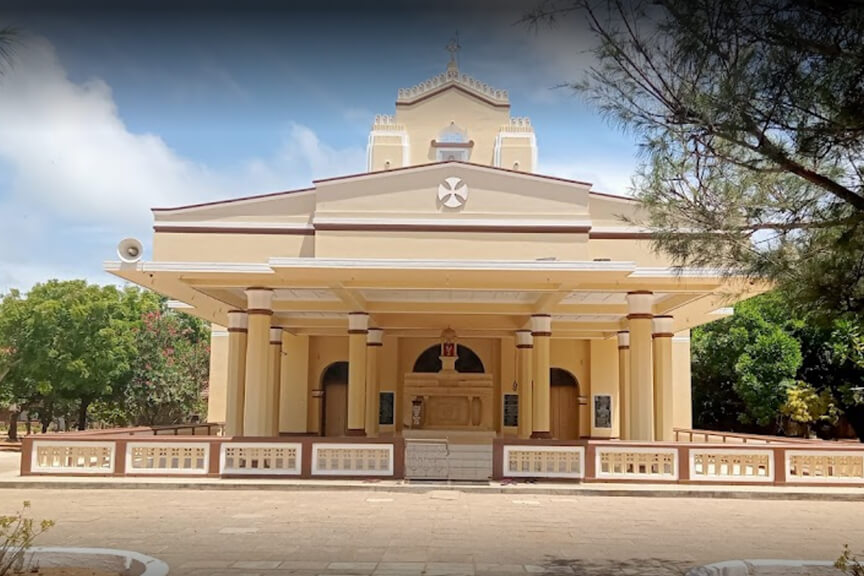
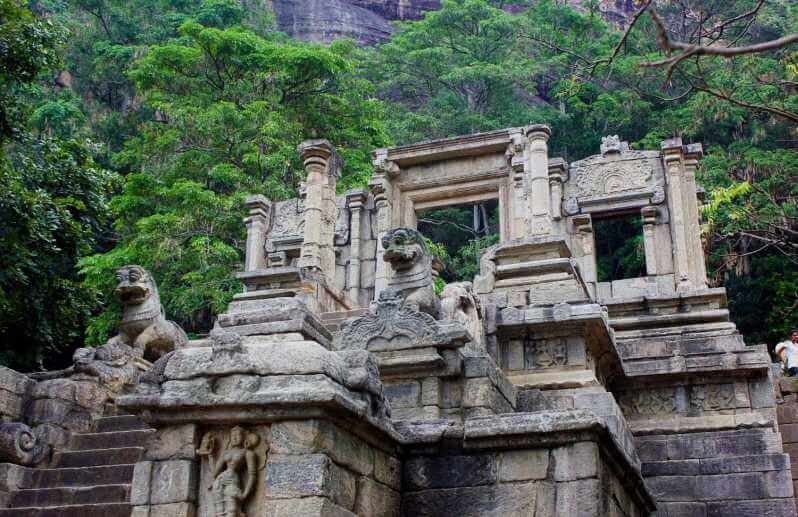
Visitors exploring the archaeological reserve can trace the remnants of the royal citadel, which was heavily fortified with massive stone walls, guarded gateways, deep moats, and protective marshlands. On the summit of the Maliga Gala rock, foundations of the royal palace, pillared audience halls, and ancient water ponds reveal the sophisticated urban planning of the era. At the base of the rock stands the historic two-story Temple of the Tooth (Vijayasundararamaya), which preserves delicate 18th-century Kandyan-era wall paintings, intricate wood carvings, and sacred Buddha statues.
Adjacent to the ancient ruins, the Dambadeniya site offers a profound glimpse into a medieval renaissance where classic texts like the Kausilumina and Visuddhimarga Sannasa were composed. Walking through the tranquil gardens, past excavated moat depressions and rock staircases, allows travelers to experience an essential yet uncrowded chapter of Sri Lankan history that successfully preserved the nation's cultural identity through adversity.
What to expect
Highlights
- The historic Maliga Gala summit palace ruins featuring ancient foundations, pillared halls, and defensive rock fortifications.
- The two-story Vijayasundararamaya Temple of the Tooth adorned with exquisite 18th-century Kandyan wall murals and wood carvings.
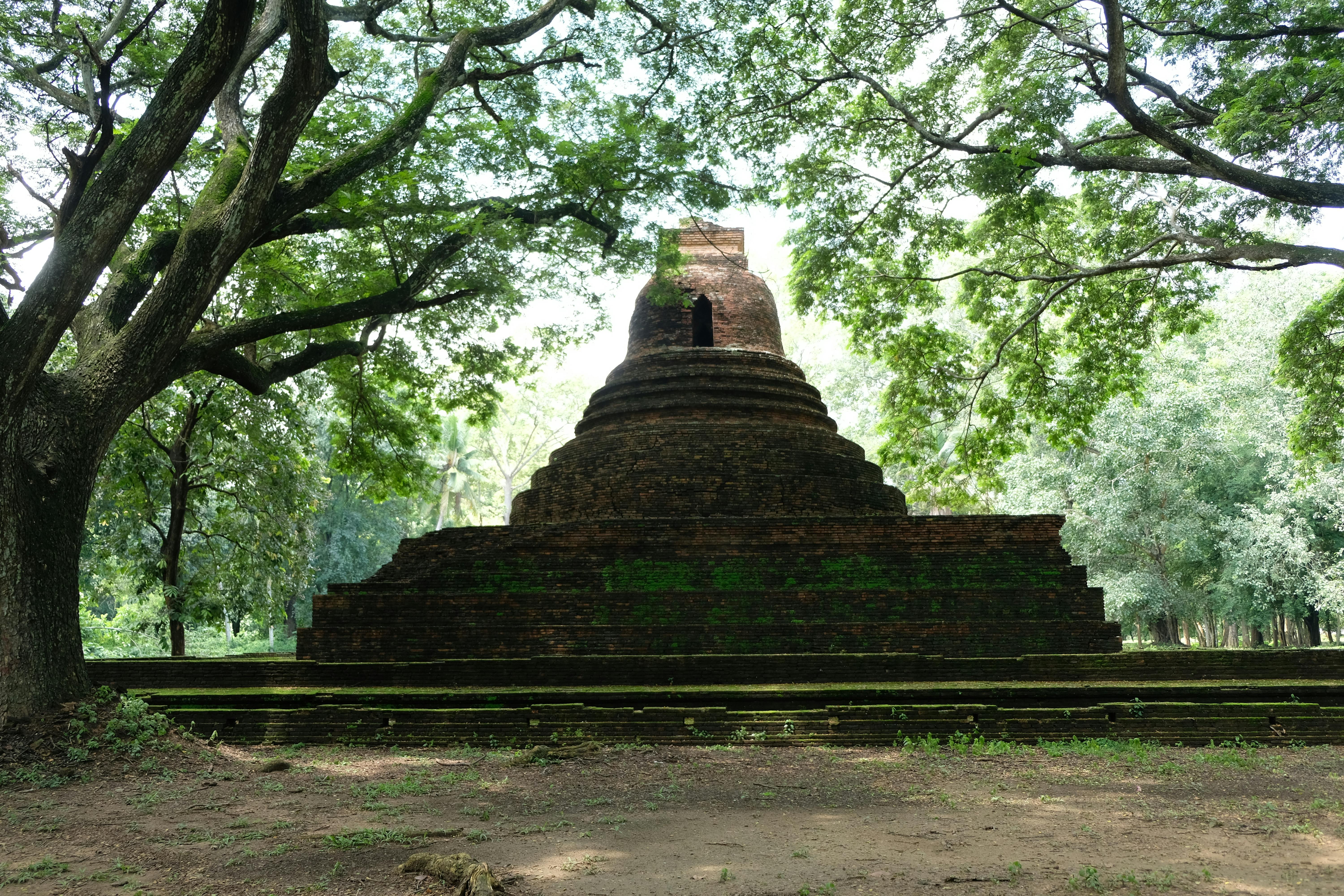
- Well-preserved medieval defensive earthworks, including concentric moats, marsh barriers, and ancient rampart ridges.
- Scenic views of the surrounding Wayamba province coconut estates and plains from the top of the royal rock citadel.
- Onsite archaeological artifact displays showcasing ancient coins, pottery fragments, and architectural fragments.
- Proximity to nearby heritage landmarks such as the historic Panavitiya Ambalama wood-carved wayside resthouse.
Traveler reviews
Ratings and experiences from visitors
No traveler reviews written yet for Dambadeniya Ancient City.
Traveler photos
Photos of this destination
Questions & answers
What is the dress code or entrance etiquette?
Visitors must dress modestly by covering shoulders and knees (no sleeveless tops or shorts). Shoes, sandals, and hats must be removed when entering the Temple of the Tooth complex at the base of the rock.
What is the entry ticket fee for foreigners and locals?
Foreign tourists typically pay approximately LKR 1,500 to 2,000 ($5 to $7 USD) for archaeological site access, while local visitors pay a nominal fee of around LKR 100.
How long does a typical visit take?
A standard visit takes 1.5 to 2 hours, which covers exploring the lower temple shrines, museum exhibits, and climbing to the rocky summit of the palace grounds.
Are cameras and photography permitted?
Handheld photography is freely permitted across all outdoor ruins and exterior temple courtyards. Flash photography and turning your back to Buddha statues inside the shrine rooms are strictly prohibited.