Anawilundawa Bird Sanctuary
 Wildlife


About Anawilundawa Bird Sanctuary
One of Sri Lanka's six RAMSAR wetlands, featuring an intricate ancient cascade tank system teeming with diverse waterbirds.
Nestled along Sri Lanka's northwestern coast between the seaside towns of Chilaw and Puttalam, the Anawilundawa Wetland Sanctuary is an ecological masterpiece of historical engineering and biodiversity. Spanning nearly 1,397 hectares, this unique sanctuary is built around a series of ancient man-made cascading water reservoirs (tanks) dating back to the 12th century CE, originally constructed to feed agricultural paddy fields. In 1997, recognizing its critical importance as a staging ground and breeding habitat for waterbirds, Anawilundawa was officially declared a wildlife sanctuary, and in 2001, it achieved prestigious designation as a Ramsar Wetland of International Importance.
Positioned squarely along the Indo-Asian migratory flyway, Anawilundawa serves as a vital winter haven for tens of thousands of migratory birds escaping northern cold spells. The sanctuary's diverse micro-habitats—encompassing freshwater tanks, saline coastal marshes, dense mangrove swamps, and scrub forests—support over 150 species of birds, including majestic painted storks, white ibises, cormorants, herons, and rare visitors like the spot-billed pelican and black-necked stork. Beyond avian life, the complex ecosystem provides a thriving home to marsh crocodiles, monitor lizards, amphibians, and dozens of butterfly species.
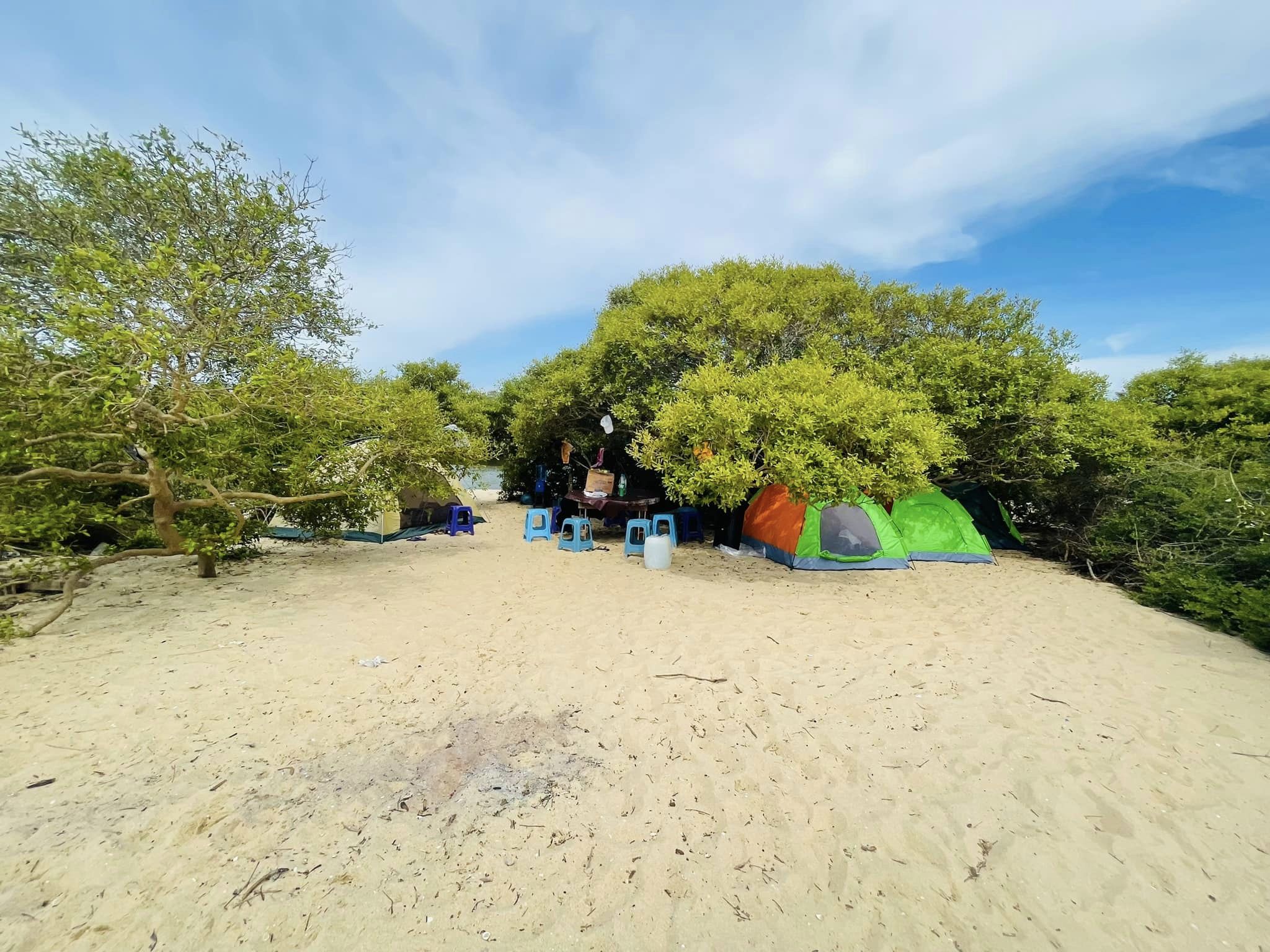
Exploring Anawilundawa offers an intensely peaceful nature immersion far removed from mass tourism. Shaded bund trails winding between shimmering lotus-filled tanks and whispering mangroves allow wildlife enthusiasts, birdwatchers, and photographers to observe pristine wetland ecology in absolute tranquility. Whether walking along the ancient earthen dikes at sunrise or studying wading birds foraging in the shallows, Anawilundawa showcases the harmonious coexistence of ancient Sinhalese irrigation heritage and rich tropical conservation.
What to expect
Highlights
- A protected Ramsar wetland spanning nearly 1,400 hectares of interconnected ancient irrigation reservoirs and mangrove swamps.
- Exceptional winter birdwatching opportunities hosting over 150 resident and migratory species, including painted storks and egrets.
- Scenic earthen bund walking trails meandering between lotus-covered freshwater tanks and coastal scrub forests.
- Close-up wildlife encounters with wild marsh crocodiles, water monitors, and vibrant tropical butterflies.
- Fascinating 12th-century ancient cascading tank engineering that highlights traditional Sri Lankan water management.
- Peaceful, crowd-free atmosphere ideal for slow-paced wildlife photography and nature contemplation.
Traveler reviews
Ratings and experiences from visitors
No traveler reviews written yet for Anawilundawa Bird Sanctuary.
Traveler photos
Photos of this destination
Questions & answers
What is the dress code or entrance etiquette?
There is no religious dress code, but visitors should wear breathable, muted-earth clothing suitable for light outdoor walking. Quiet behavior is essential to avoid disturbing nesting birds and wildlife.
What is the entry ticket fee for foreigners and locals?
Entering the sanctuary perimeter is generally open, though hiring a Department of Wildlife Conservation guide or securing official conservation entry permits typically ranges from LKR 500 to 2,500 depending on visitor nationality and group size.
How long does a typical visit take?
A standard wildlife and birdwatching walk along the main tank bunds takes approximately 2 to 3 hours, allowing adequate time for spotting and photographing various bird species.
Are cameras and photography permitted?
Yes, handheld cameras, smartphones, and telephoto lenses are freely permitted for personal nature photography. Drones are restricted to protect sensitive migratory bird colonies.