Kala Wewa
 Historical


About Kala Wewa
See Kala Wewa, a vast fifth-century reservoir whose bund and Yodha Ela canal embody Sri Lanka's ancient irrigation genius.
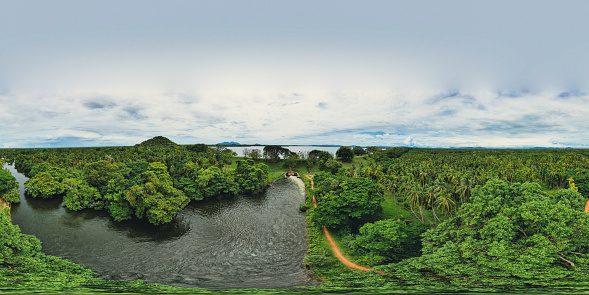
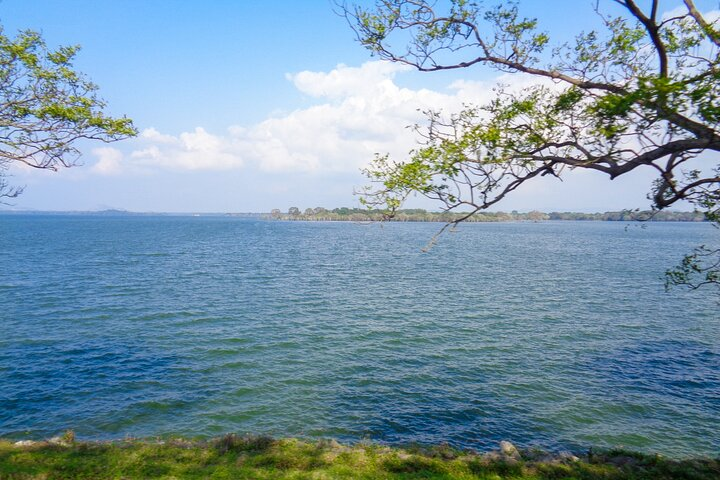
Kala Wewa is a historic reservoir in Sri Lanka's North Central Province, traditionally attributed to King Dhatusena in the fifth century CE. Together with nearby Balalu Wewa, it formed a major irrigation system that transformed the dry zone by storing seasonal water for cultivation and settlement. The reservoir remains part of the island's living agricultural landscape.
Its engineering legacy extends through the Jaya Ganga, also known as Yodha Ela, a long, carefully graded canal that carries water toward the Anuradhapura region. The broad tank, earthen bund and surrounding dry-zone plains demonstrate how ancient Sri Lankan builders managed water across difficult terrain with extraordinary precision.
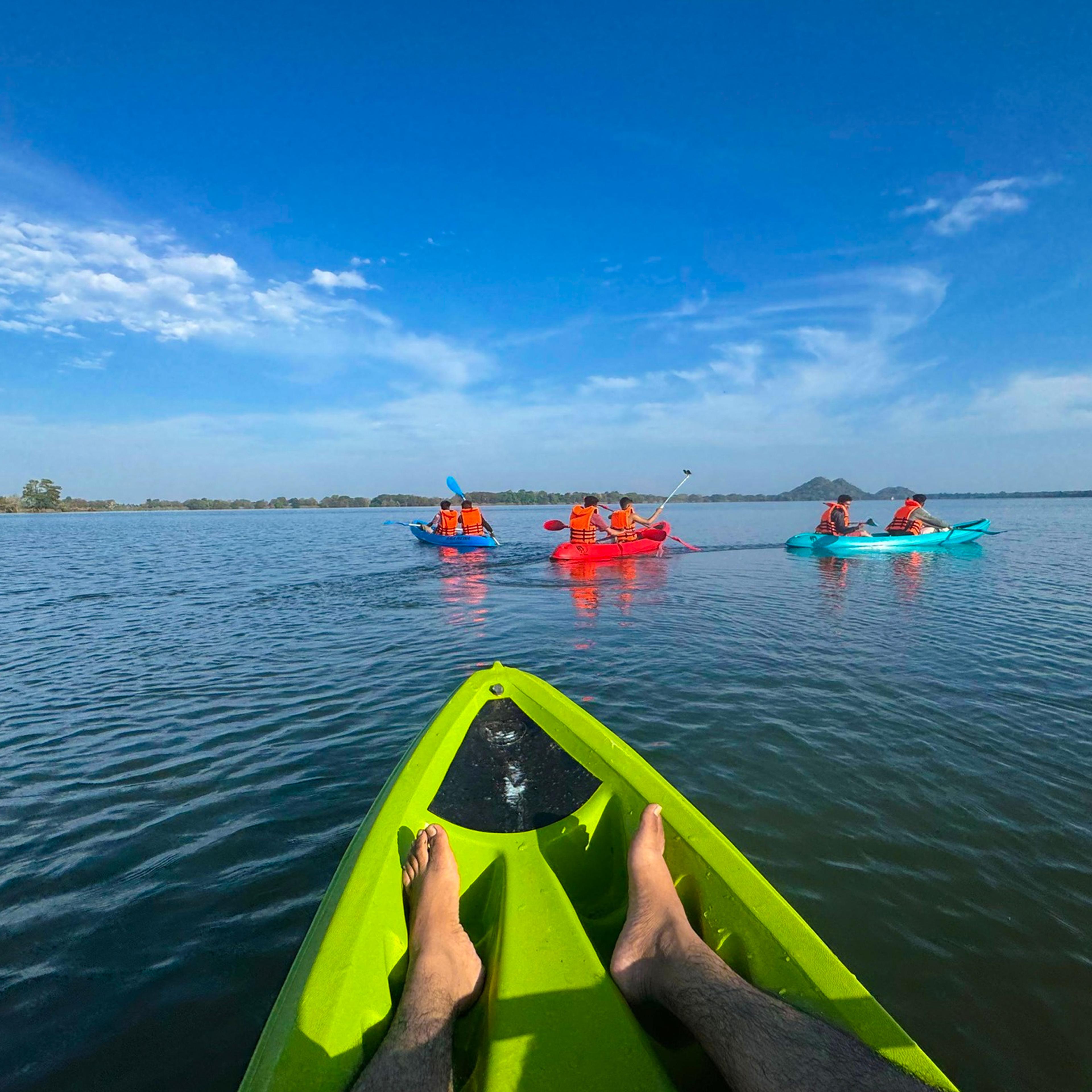
Kala Wewa is best experienced as a quiet landscape rather than a conventional monument. Walk or drive along accessible sections of the bund, watch changing light on the water and look for birds near the shore. The nearby Aukana Buddha Statue and Kala Wewa National Park can turn the reservoir into a richer history and wildlife itinerary.
What to expect
Highlights
- The expansive Kala Wewa reservoir waters
- Ancient earthen bund and irrigation embankment
- Jaya Ganga or Yodha Ela canal heritage
- Dry-zone sunsets reflected across the tank
- Shoreline birdlife and rural scenery
- Nearby Aukana Buddha Statue and wildlife areas
Traveler reviews
Ratings and experiences from visitors
No traveler reviews written yet for Kala Wewa.
Traveler photos
Photos of this destination
Questions & answers
What should I wear and bring to Kala Wewa?
Wear light, comfortable clothing and bring water, sun protection, insect repellent and sturdy shoes. Respect farmers and fishermen and keep the bund clean.
What is the entry fee for foreign and local visitors?
Viewing Kala Wewa, its bund and surrounding landscape is generally free for local and foreign visitors. Nearby archaeological or wildlife attractions may charge separate fees.
How long should I spend at Kala Wewa?
Allow 30 to 60 minutes for a scenic reservoir stop and bund walk. Add several hours if combining it with Aukana Buddha or nearby wildlife areas.
When is the best time to visit and photograph Kala Wewa?
Early morning and late afternoon offer cooler conditions, softer light and better reflections. Sunrise and sunset are especially attractive along accessible bund viewpoints.
Can visitors swim or go boating in Kala Wewa?
Do not assume swimming or boating is permitted. Ask local authorities before entering the water, stay away from unstable edges and follow any safety instructions.