Diyaluma Falls
 Waterfalls


About Diyaluma Falls
Sri Lanka's second-highest cascade, dropping 220 meters and famous for its thrilling cliff-edge natural infinity pools at the top.
Plunging 220 meters (720 feet) in a sheer, roaring horsetail plume down a towering granite precipice, Diyaluma Falls is the second-highest waterfall in Sri Lanka and one of the most exhilarating natural wonders in South Asia. Located near the quiet highland town of Koslanda along the Colombo–Batticaloa highway, the falls are formed by the Punagala Oya, a swift mountain river fed by highland tributaries that carves through deep ravines before joining the Kirindi Oya. The name 'Diyaluma' translates poetically in Sinhala to 'rapid flow of water' or 'liquid veil', aptly capturing the long, silvery ribbon of churning spray that cascades uninterrupted into the sunlit valley below.
According to poignant regional folklore, the waterfall was born of tragic royal romance. Ancient legend tells of a young prince who fell deeply in love with a beautiful maiden from a lower caste. Denied marriage by royal decree and pursued by angry courtiers, the desperate lovers fled into the high crags above Koslanda. While attempting to haul his beloved up the slippery precipice with creepers, the vine snapped, sending her plunging to her death against the rocks. Heartbroken, the prince threw himself over the cliff to join her, and local villagers believe the perpetual cascade represents the sorrowful tears shed by the gods over their ill-fated devotion.
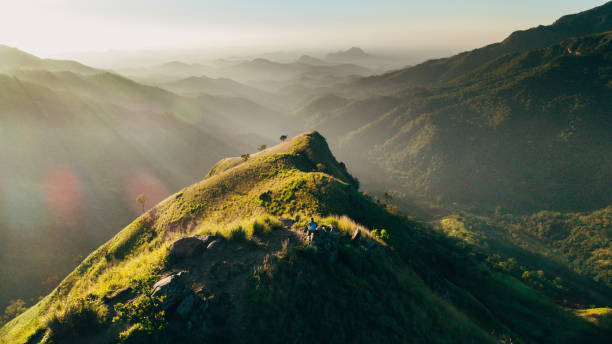
While the monumental full drop is admired by motorists from the bridge on the road below, the ultimate adventure lies atop Upper Diyaluma. Reached via a scenic trek through the hillside village of Poonagala, the top reveals a surreal geological wonderland of multi-tiered rock basins, natural water slides, and breathtaking infinity swimming pools. Here, brave travelers can bathe in crystalline spring water while peering directly over the precipice into the vast green expanses of the southern lowlands, creating one of the most unforgettable wild adventures in Ceylon's hill country.
What to expect
Highlights
- Sri Lanka's 2nd-tallest waterfall plunging a majestic 220 meters down a sheer vertical granite wall
- Upper Diyaluma's natural cliff-edge infinity pools offering swimming with panoramic valley views
- A series of tiered secondary cascades and smooth natural rock slides tucked along the upper riverbed
- The scenic roadside lookout bridge on the A4 highway providing dramatic full-height base views
- The rustic hillside hiking trail starting from Poonagala village through tea plantations and lemongrass hills
- Sweeping 180-degree panoramas extending from the Badulla hills toward the southern plains of Wellawaya
Traveler reviews
Ratings and experiences from visitors
No traveler reviews written yet for Diyaluma Falls.
Traveler photos
Photos of this destination
Questions & answers
What is the recommended dress code and swimwear etiquette?
Comfortable, lightweight hiking attire and sturdy footwear are recommended for the trek. While standard swimwear is acceptable for swimming in the secluded upper rock pools, carrying a light cover-up or t-shirt is respectful when walking through local villages along the trail.
What is the entry ticket fee for foreign and local visitors?
Viewing the lower falls from the public road is completely free. Accessing the Upper Diyaluma trail typically involves a nominal community maintenance fee of approximately LKR 350 to 500 per person at local checkpoints.
How difficult is the hike to Upper Diyaluma and how long does it take?
The hike from the Poonagala village trailhead is moderately easy to moderate, taking about 25 to 35 minutes each way along a winding downhill path and riverbed. Total time spent enjoying the pools, relaxing, and returning is usually 2.5 to 4 hours.
Are cameras and drone photography permitted at the falls?
Yes, personal photography and handheld filming are permitted and celebrated across all viewpoints. Flying recreational drones over the canyon is very popular, but pilots should exercise care with strong thermal winds near the cliff edge.
Is it safe to swim in the upper pools of Diyaluma Falls?
Swimming is generally safe during the dry season (January to April) in the calm, designated natural pools located well back from the main drop. However, swimming is dangerous after heavy rains when currents strengthen, and visitors must never step onto the slippery outer wet lip of the cliff.