Haputale Tea Plantations
 Mountains


About Haputale Tea Plantations
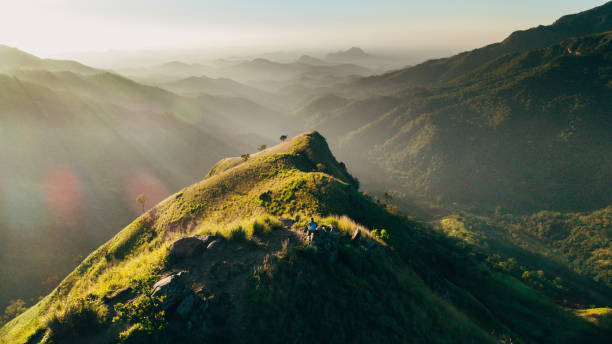
Sweeping emerald tea slopes clinging to the southern highland escarpment, where Sir Thomas Lipton pioneered his legendary tea legacy.
Perched dramatically along the southern cliff face of Sri Lanka's central highlands at elevations ranging from 1,400 to nearly 2,000 meters, the Haputale Tea Plantations offer some of the most striking mountain terrain on the island. Flanked by knife-edge ridges that fall steeply into the southern coastal lowlands, these high-altitude estates thrive in a distinct microclimate created by brisk mountain winds, frequent clouds, and sharp seasonal sunshine. It is here that the global tea empire of Sir Thomas Lipton took root in the early 1890s, when he acquired Dambatenne and neighboring plantations to produce single-estate orthodox Ceylon tea directly for worldwide markets.
The centerpiece of the surrounding landscape is the historic Dambatenne Tea Estate and Factory, built by Lipton in 1890, which remains one of the longest working tea factories in Sri Lanka. Guided tours through the wooden-floored facility reveal the timeless orthodox manufacturing process, from withering and rolling to fermentation, drying, and grading. Walking along the narrow gravel tracks threading through Dambatenne and Kelburne, travelers encounter tea pluckers hand-harvesting fresh shoots against dramatic backdrops of rolling mist and sunlit gorges.
Beyond agricultural heritage, Haputale's tea country offers world-class trekking and peaceful highland scenery far less crowded than nearby hubs. Footpaths connect historic planter bungalows, eucalyptus windbreaks, and vantage points like Lipton's Seat that gaze out across distant reservoirs and coastal horizons. Whether traveling by scenic hill-country train around the sharp horseshoe curves of the Idalgashinna pass or walking through tea gardens in the crisp morning chill, Haputale delivers an authentic, timeless Ceylon experience.
What to expect
Highlights
- Historic Dambatenne Tea Factory, built by Sir Thomas Lipton in 1890 and still processing premium orthodox Ceylon tea
- Spectacular panoramic walking trails connecting Haputale town to Lipton's Seat along the high Poonagala ridge
- Dramatic Southern Escarpment views dropping into the southern plains, Uda Walawe basin, and distant coastal horizons
- Authentic factory walk-throughs showcasing traditional withering, rolling, drying, and grading machinery
- Idalgashinna and Kelburne mountain vantage points framed by steep tea valleys, pine woods, and winding railway tracks
- Scenic tasting lounges serving high-grown Uva black teas characterized by their distinct light liquor and brisk aroma
Traveler reviews
Ratings and experiences from visitors
No traveler reviews written yet for Haputale Tea Plantations.
Traveler photos
Photos of this destination
Questions & answers
What is the recommended dress code and footwear for exploring Haputale's tea estates?
Because the estates are working agricultural lands rather than religious sites, casual and comfortable hiking attire is recommended. Layered clothing with a light windbreaker is advisable due to cool ridge breezes, along with sturdy closed-toe shoes for uneven, steep estate paths.
What is the entry ticket fee for visiting the tea plantations and factories?
Walking along public roads and estate footpaths is free. Guided tours inside heritage factories such as Dambatenne generally cost between LKR 500 and LKR 1,000 (approx. USD 2 to 4) per person, often including a tea tasting.
How long does a typical visit to the Haputale tea plantations take?
A typical exploration lasts between 2.5 and 4 hours, which provides sufficient time to tour a working factory, wander through the tea terraces, and hike or ride a tuk-tuk up to viewpoints along the ridge.
Are cameras and photography permitted across the plantations and factories?
Handheld outdoor landscape photography is freely permitted throughout the terraces and road viewpoints. However, photography inside active factory processing rooms is generally restricted to safeguard equipment and proprietary procedures.
What is the best way to get around the Haputale tea estates?
Hiring a local tuk-tuk from Haputale Railway Station is the most convenient way to navigate the steep estate roads to Dambatenne and Lipton's Seat, though many active travelers prefer taking a tuk-tuk up and walking leisurely downhill through the tea fields.