Ratnapura National Museum
 Historical

About Ratnapura National Museum
A captivating regional heritage museum housed in the historic Ehelepola Walawwa, famed for prehistoric mammal fossils and Kandyan royal artifacts.
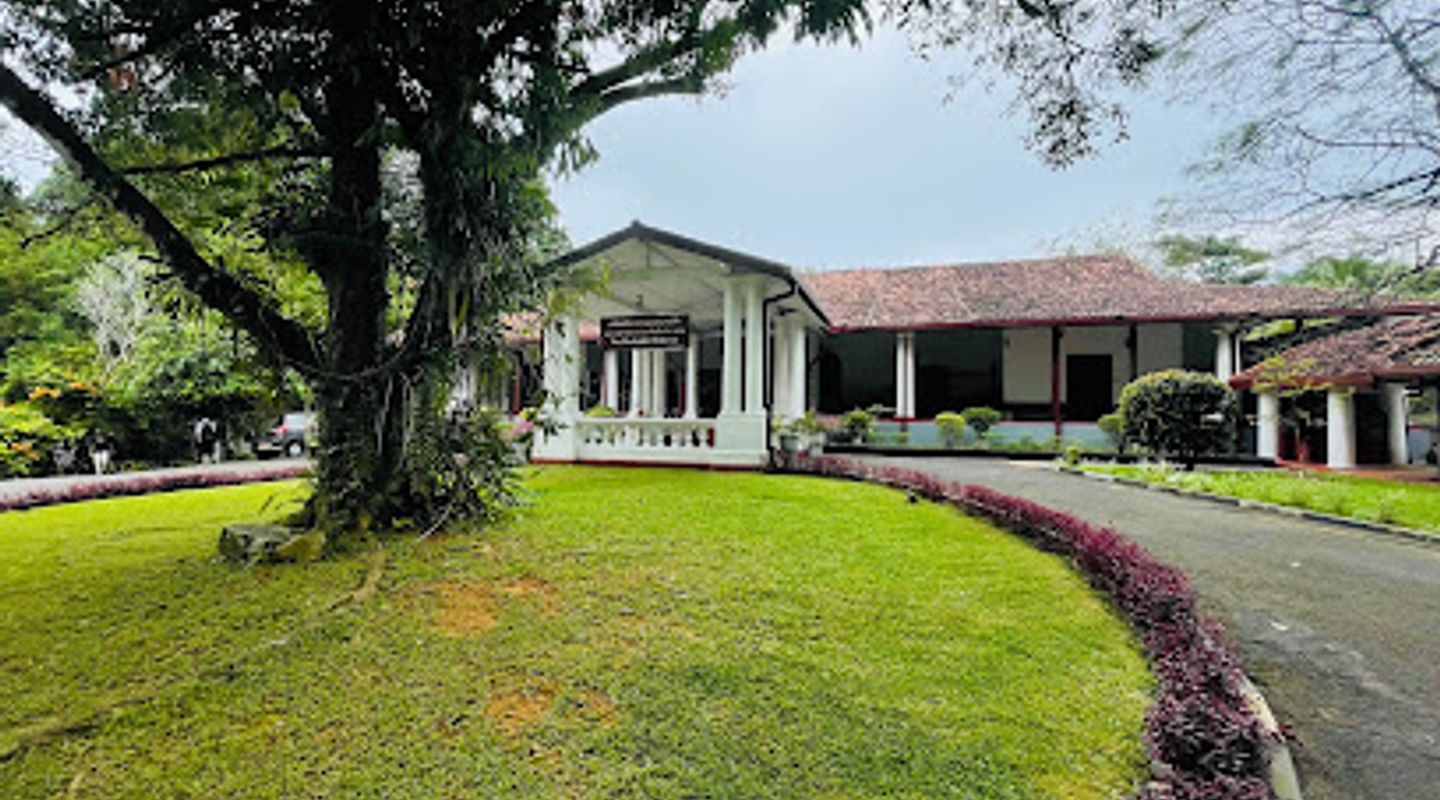
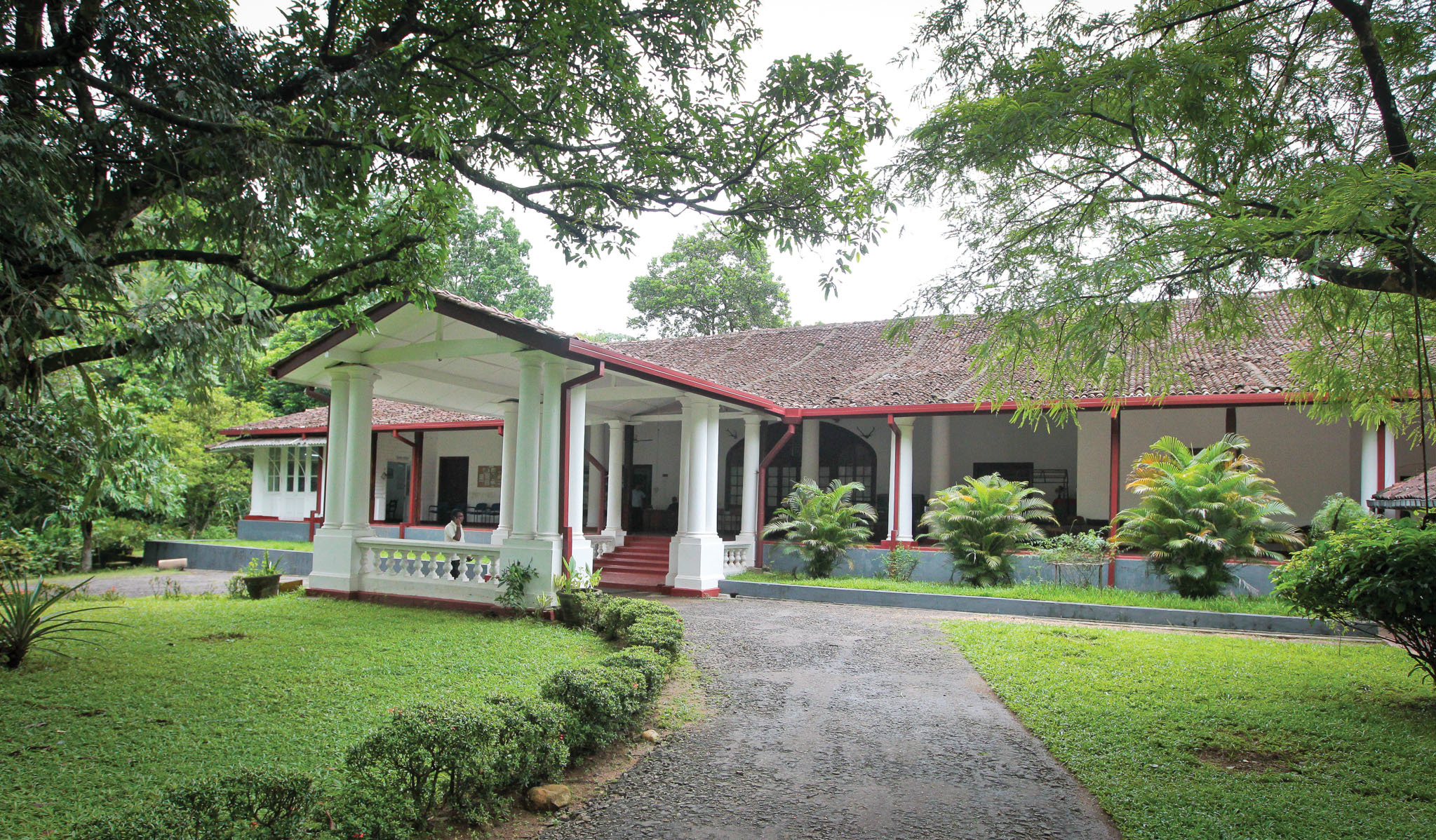
Situated along Colombo Road in the heart of the historic 'City of Gems', the Ratnapura National Museum stands as the premier cultural and natural history repository of the Sabaragamuwa Province. Opened to the public on May 13, 1988, under the Department of National Museums, the institution is housed within the venerable Ehelepola Walawwa. This grand colonial-era aristocratic manor once served as the official provincial residence of Ehelepola Wijayasundara Wickramasinghe Chandrashekara Amarakoon Wasala Mudiyanse (Ehelepola Maha Nilame), the influential Disawe of Sabaragamuwa and first adigar to the last Kandyan monarch, King Sri Vikrama Rajasinha. The building itself is an architectural treasure, featuring broad verandahs, traditional wooden ceilings, and expansive shaded courtyards.
The museum's collections are celebrated for their extraordinary palaeontological treasures, largely unearthed from the subterranean gem gravels (illam) of the surrounding Kalu Ganga basin. Galleries display fossilized skeletal remains and teeth of extinct Pleistocene megafauna that once roamed prehistoric Sri Lanka, including the ancient elephant (Palaeoloxodon namadicus), hippopotamus (Hexaprotodon sinhaleyus), and extinct rhinoceros (Rhinoceros sinhaleyus). These exhibits are complemented by archaeological artifacts of the prehistoric 'Balangoda Man' (Homo sapiens balangodensis), including skeletal tools, quartz bladelets, and bone implements discovered in regional cave excavations such as Batadombalena and Bellanbandi Palassa.
Beyond natural sciences, the museum showcases the rich anthropological and martial legacy of the Sabaragamuwa region. Visitors can explore detailed galleries containing rare Kandyan-era royal jewelry, ceremonial drums, regional devil dance masks, antique brassware, and traditional cooking implements. A notable armory wing displays indigenous Sinhala flintlock firearms (Sinhala bondikula), broadswords, and intricately carved Kastane swords inlaid with silver and brass. Outside in the manicured gardens, a dedicated palaeo-biodiversity park features life-sized animal sculptures of extinct species against lush tropical foliage, providing an enriching and family-friendly heritage stop in Ratnapura.
What to expect
Highlights
- Tour the historic 19th-century Ehelepola Walawwa, the grand ancestral residence of the famed Kandyan chieftain Ehelepola Maha Nilame.
- Examine rare Pleistocene fossils discovered in local gem pits, including remains of extinct rhinos, hippos, and ancient elephants.
- Inspect prehistoric stone tools, quartz bladelets, and artifacts associated with the late Pleistocene 'Balangoda Man'.
- Admire traditional Sabaragamuwa cultural exhibits, including intricate Kandyan jewelry, ritual masks, and antique brass craft.
- View historic armory displays featuring indigenous Sinhala firearms, traditional daggers, and ornate Kastane swords.
- Stroll through the outdoor palaeobiodiversity park featuring life-sized sculptures of prehistoric animals native to ancient Sri Lanka.
Traveler reviews
Ratings and experiences from visitors
No traveler reviews written yet for Ratnapura National Museum.
Traveler photos
Photos of this destination
Questions & answers
What is the dress code or entrance etiquette?
Modest smart-casual clothing covering shoulders and knees is recommended out of respect for a national cultural institution. Visitors should maintain quiet decorum, follow museum rules, and avoid touching glass cases or delicate artifacts.
What is the entry ticket fee for foreigners and locals?
Admission tickets are issued by the Department of National Museums at approximately 500 LKR for foreign adults (and 300 LKR for foreign children), while local visitors pay a subsidized rate of roughly 50 LKR for adults and 20 LKR for children.
How long does a typical visit take?
A typical visit lasts between 1 to 1.5 hours, providing ample time to explore the indoor historical galleries, inspect the fossil displays, and walk through the outdoor palaeobiodiversity sculpture park.
Are cameras and photography permitted?
Yes, personal non-commercial photography is permitted across the grounds, exterior courtyards, and exhibition galleries. However, flash photography is strictly prohibited inside the halls to safeguard sensitive antique pigments and fossil displays.
How do you reach Ratnapura National Museum from the town center?
The museum is conveniently located along Colombo Road (A4 highway) in Ratnapura. It can be reached easily via a 5-to-10-minute tuk-tuk or taxi ride from the central Ratnapura bus depot and railway terminal.