Pinnawala Elephant Orphanage
 Wildlife



About Pinnawala Elephant Orphanage
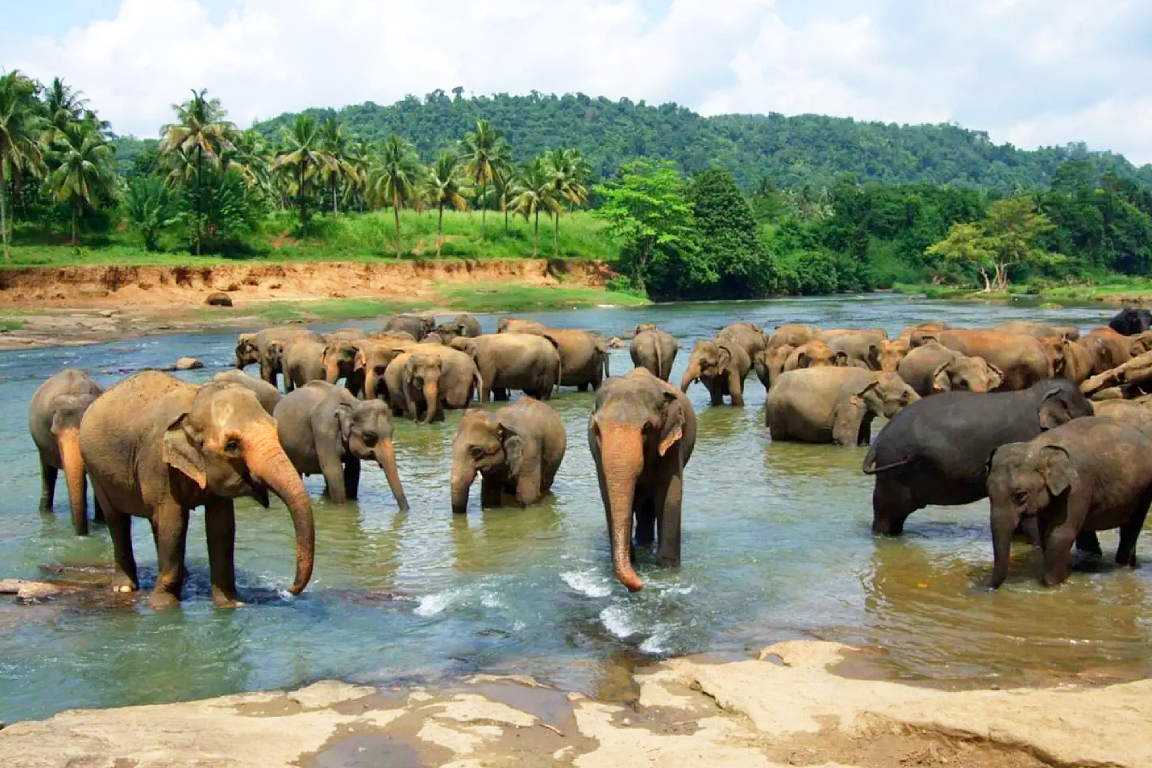
A renowned elephant sanctuary and breeding center in Kegalle, famous for large herds bathing and playing daily in the Maha Oya river.
Established in 1975 by the Sri Lanka Department of Wildlife Conservation, the Pinnawala Elephant Orphanage stands as one of the island's most iconic and internationally recognized wildlife institutions. Sprawling across 25 acres of lush coconut groves near Rambukkana in the Kegalle District, the sanctuary was originally founded to nurture, rehabilitate, and protect unweaned wild elephant calves displaced by habitat fragmentation, human-elephant conflict, or maternal abandonment in Sri Lanka's dry-zone jungles. Over five decades of dedicated veterinary care and pioneering captive breeding programs, Pinnawala has evolved from its initial refuge of five orphaned calves into the largest herd of captive Asian elephants in the world, nurturing multiple generations of calves under managed care.
The undisputed centerpiece of any visit to Pinnawala is the daily river bathing ritual along the rocky banks of the scenic Maha Oya. Twice each day—at 10:00 AM and 2:00 PM—the entire herd is guided by experienced mahouts through a bustling pedestrian avenue lined with souvenir shops and open-air cafes down to the water. Watching dozens of elephants of all ages, from boisterous youngsters splashing each other to gentle matriarchs submerging beneath the gentle rapids, presents an unforgettable, heartwarming wildlife spectacle against a backdrop of swaying palms and glistening river boulders.
Back within the main sanctuary grounds, visitors can observe daily nursery care routines, including scheduled milk-feeding sessions for rescued calves, veterinary health checks, and nutritional feedings consisting of towering heaps of palm leaves, jackfruit branches, and wild sugarcane. The surrounding village has also pioneered sustainable eco-craft industries, such as the famous handcrafted elephant dung paper workshops ('Maximus'), showcasing how conservation and community livelihoods coexist harmoniously. Pinnawala offers travelers of all ages an intimate and uplifting encounter with Sri Lanka's most iconic mammal.
What to expect
Highlights
- Witness the world-famous spectacle of dozens of Asian elephants bathing and frolicking in the rushing waters of the Maha Oya river.
- Watch the coordinated twice-daily herd parade as mahouts guide the elephants down the vibrant village thoroughfare.
- Observe scheduled milk-feeding sessions for adorable orphaned elephant calves at the main nursery pavilion.
- Learn about pioneering captive breeding milestones, including the historic birth of healthy elephant twins at the facility.
- Visit local eco-workshops to see recycled artisan paper produced sustainably from cleaned elephant dung fibers.
- Relax at riverside restaurants with panoramic views of the entire elephant herd submerged in the sunlit waters.
Traveler reviews
Ratings and experiences from visitors
No traveler reviews written yet for Pinnawala Elephant Orphanage.
Traveler photos
Photos of this destination
Questions & answers
What is the dress code or entrance etiquette?
Casual and comfortable lightweight travel clothing is ideal. Because Pinnawala is a wildlife sanctuary and zoo facility rather than a religious site, standard tourist attire is acceptable, though sun hats, sunglasses, and comfortable walking shoes are recommended.
What is the entry ticket fee for foreigners and locals?
Standard admission tickets issued by the Department of National Zoological Gardens cost approximately 15 to 18 USD (around 4,500 to 5,500 LKR) for foreign adults and 7 to 9 USD for foreign children, while Sri Lankan citizens pay a subsidized rate of roughly 250 to 300 LKR for adults.
What are the key daily event timings?
The sanctuary is open daily from 8:30 AM to 5:30 PM. The most popular events are the river bathing sessions at 10:00 AM – 12:00 PM and 2:00 PM – 4:00 PM, alongside bottle-feeding sessions at 9:15 AM, 1:15 PM, and 5:00 PM.
How long does a typical visit take?
A typical visit lasts between 2.5 to 3.5 hours, providing sufficient time to observe a nursery feeding session, follow the herd to the Maha Oya river, enjoy lunch or tea at a riverside cafe, and browse local paper craft shops.
Are cameras and photography permitted?
Yes, personal photography and videography are warmly welcomed throughout the sanctuary grounds, riverside viewing platforms, and street parade. Commercial film shoots or drone flights require prior written permits from the National Zoological Gardens.


