Udawalawe National Park
 Wildlife



About Udawalawe National Park
A premier wildlife haven famed for guaranteed wild elephant sightings across open savannah plains, thorn scrub, and scenic reservoir waters.
Established on June 30, 1972, and spanning over 30,800 hectares across the boundary of the Sabaragamuwa and Uva provinces, Udawalawe National Park is globally recognized as one of the finest natural sanctuaries for observing wild Asian elephants in their native habitat. The park was specifically created to provide a protected ecological refuge for wildlife displaced by the construction of the massive Udawalawe Reservoir on the Walawe River, as well as to safeguard the vital catchment basin of this monumental irrigation project. Topographically, the reserve boasts open, savannah-like grasslands, scattered teak and satinwood stands, dense thorn scrub, and riverine forest verandas, all framed dramatically by the misty, jagged contours of the Kalthota and Balangoda mountain escarpments rising in the northern horizon.
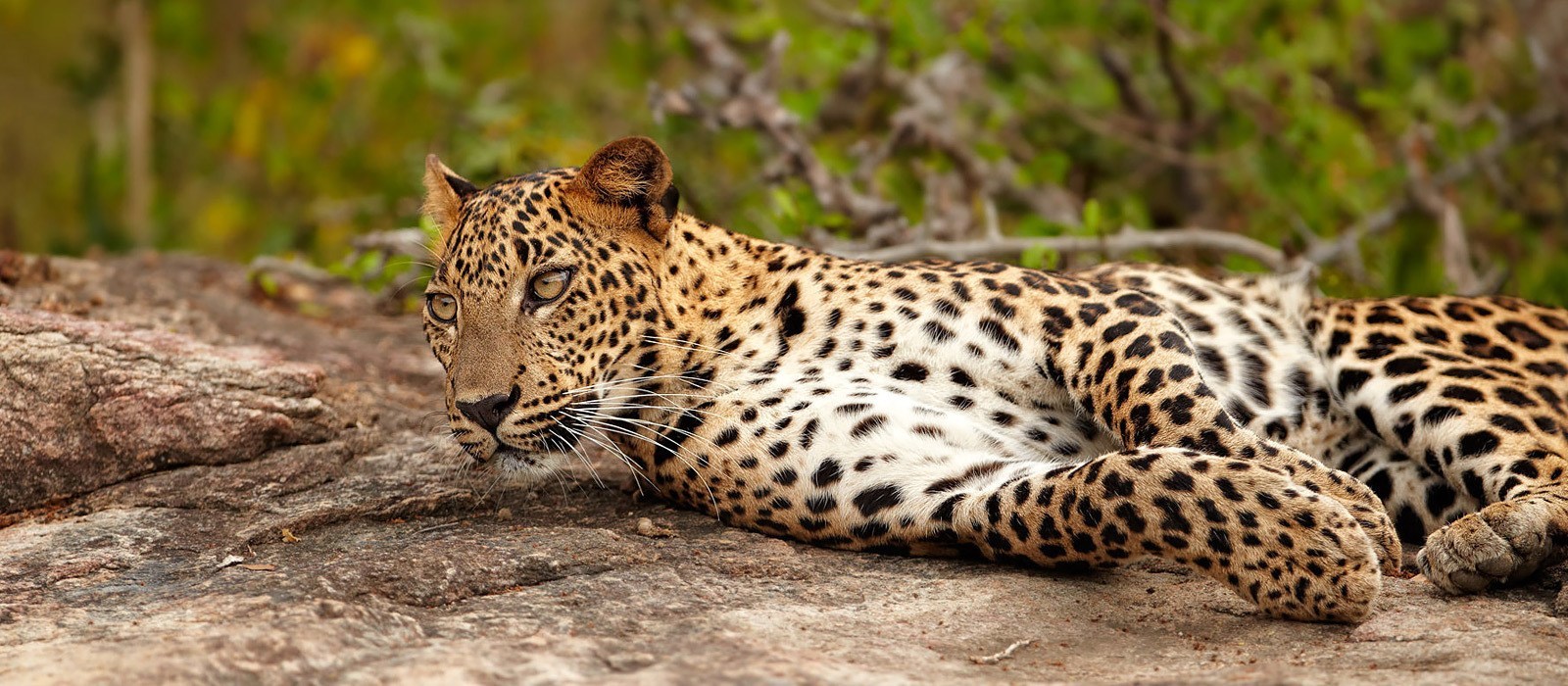
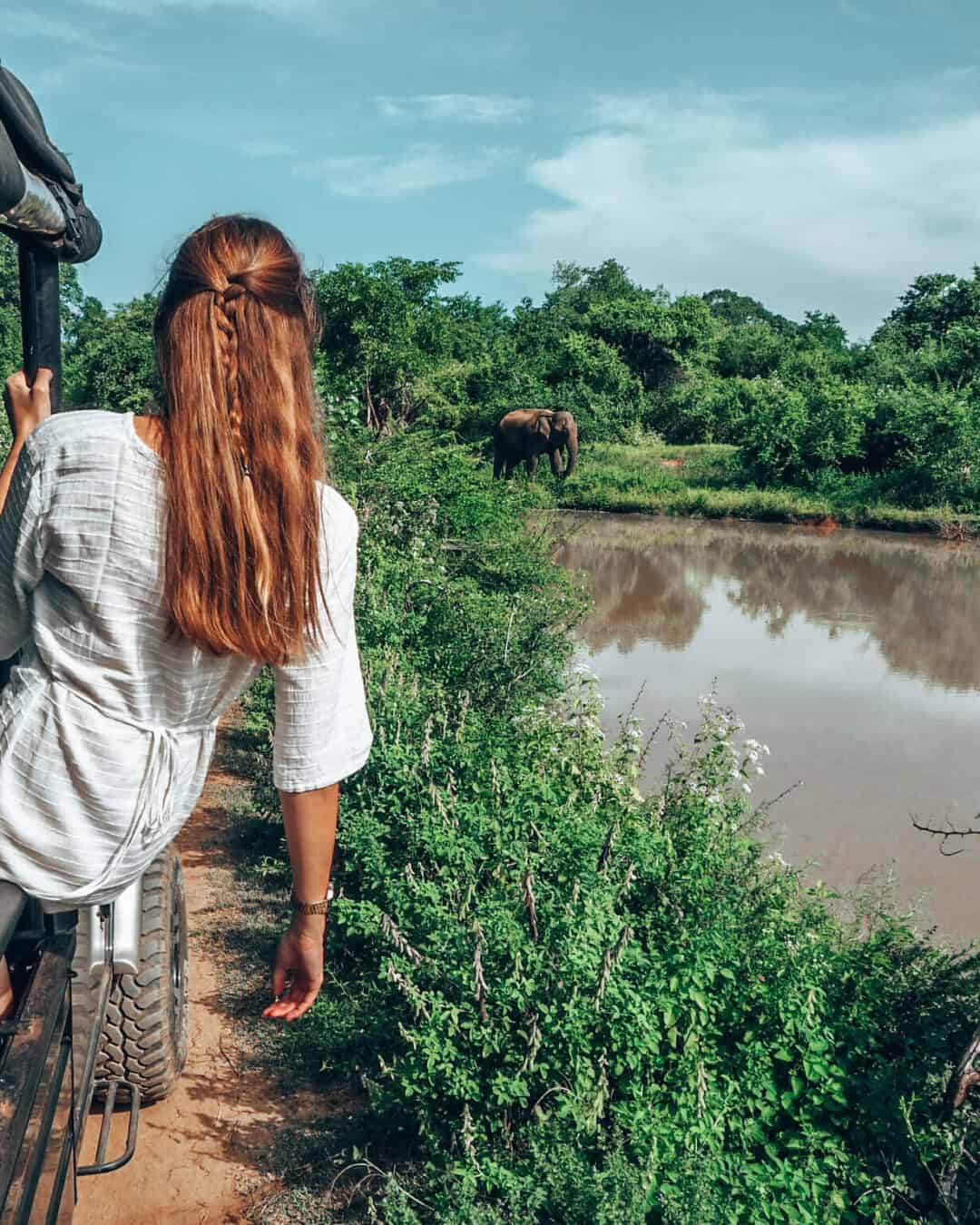
Udawalawe is celebrated as Sri Lanka's premier elephant park, home to a flourishing resident population of between 500 and 700 wild Asian elephants (Elephas maximus maximus). Thanks to its open savannah terrain and abundant water supply, sighting wild elephant herds is virtually guaranteed on every safari drive throughout the year. Visitors embarking on 4x4 open-top jeep safaris can observe tender matriarchal family units, playful young calves rolling in cooling mud wallows, and solitary tuskers foraging peacefully along the edges of the lake. Beyond its iconic pachyderms, the park sustains rich populations of water buffaloes, spotted deer, wild boars, sambar, golden jackals, mugger crocodiles basking on sunny riverbanks, and elusive predators such as the Sri Lankan leopard and rusty-spotted cat.
The park is equally an internationally renowned birdwatcher's paradise, sheltering over 180 species of resident and migratory avifauna. The shimmering expanses of the reservoir and seasonal marshes attract large colonies of aquatic birds, including painted storks, spot-billed pelicans, Asian openbills, and intermediate egrets, alongside majestic raptors like the white-bellied sea eagle and crested serpent eagle that hunt from dead tree branches protruding from the water. Combined with the nearby Elephant Transit Home (ETH)—where orphaned wild calves are rehabilitated and systematically released back into the park—Udawalawe delivers an authentic, deeply moving safari experience that rivals East Africa's iconic savannah reserves.
What to expect
Highlights
- Experience near-guaranteed year-round encounters with large matriarchal herds of wild Asian elephants in open savannah grasslands.
- Traverse an expansive 30,800-hectare landscape dominated by African-style scrub plains and the vast, shimmering Udawalawe Reservoir.
- Spot apex predators, water buffaloes, wild boars, spotted deer, and basking mugger crocodiles along the Walawe riverbanks.
- Observe over 180 resident and migratory bird species, including soaring white-bellied sea eagles, painted storks, and vibrant bee-eaters.
- Take in breathtaking landscape views featuring dead tree silhouettes standing dramatically against misty mountain backdrops.
- Combine your game drive with a visit to the nearby Udawalawe Elephant Transit Home to watch feeding sessions of rehabilitated calves.
Traveler reviews
Ratings and experiences from visitors
No traveler reviews written yet for Udawalawe National Park.
Traveler photos
Photos of this destination
Questions & answers
What is the dress code or entrance etiquette?
Wear comfortable, lightweight outdoor clothing in neutral, earthy tones (khaki, beige, or olive green) to avoid startling wildlife. Sturdy closed-toe shoes, sun protection (hat and sunglasses), and light layers for chilly early morning drives are recommended. Strictly remain seated inside your vehicle and maintain low conversational noise.
What is the entry ticket fee for foreigners and locals?
Official Department of Wildlife Conservation (DWC) entry fees for foreign adults range from approximately 25 to 35 USD (around 9,000 to 13,500 LKR, inclusive of per-person entry, service fees, and VAT), while foreign children (ages 6–12) pay a reduced rate and under-6s enter free. Local Sri Lankan citizens pay approximately 150 LKR. 4x4 safari jeep hire is arranged separately at roughly 40 to 80 USD per vehicle.
How long does a typical safari visit take?
A standard half-day safari lasts between 3 to 4 hours, which is ideal for a comprehensive morning (6:00 AM – 9:30 AM) or afternoon (3:00 PM – 6:00 PM) game drive. Dedicated wildlife photographers and birdwatchers often book full-day safaris lasting 10 to 12 hours with a midday rest break inside the park.
Are cameras and photography permitted?
Yes, photography and videography are warmly welcomed throughout the park. A telephoto zoom lens (70-300mm or higher) is strongly advised for capturing wildlife action. Flash photography is strictly forbidden as it distresses animals, and flying recreational drones is prohibited without prior written clearance from the DWC and defense authorities.
How does Udawalawe compare to Yala for wildlife viewing?
While Yala National Park is world-famous for leopard tracking, Udawalawe is widely considered the superior and far more reliable destination for observing wild Asian elephants in large numbers. Additionally, Udawalawe's open savannah landscape offers unobstructed viewing and experiences substantially less vehicle congestion than Yala's popular blocks.