Knuckles Mountain Range
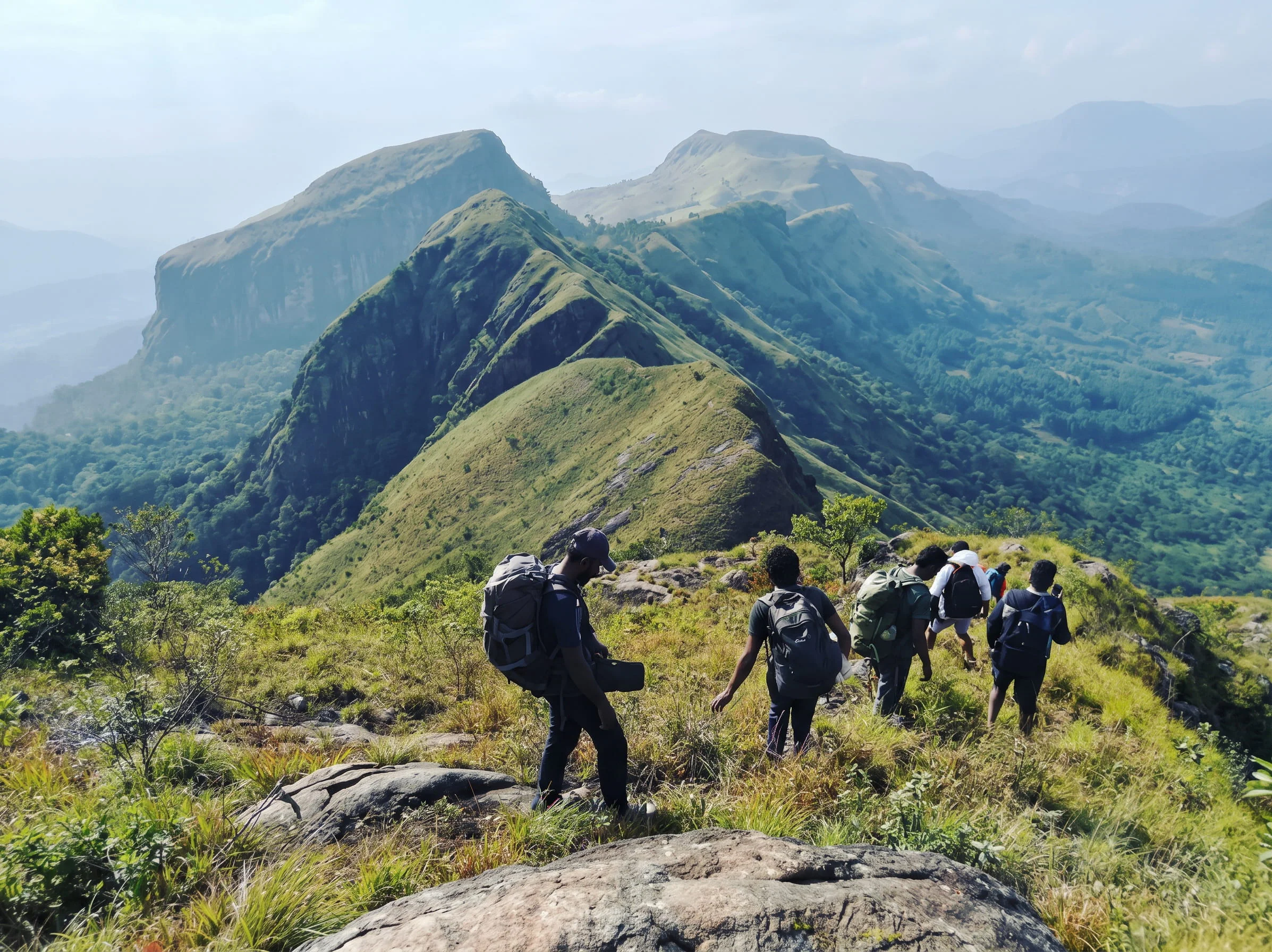 Mountains
About Knuckles Mountain Range
A rugged UNESCO wilderness of mist-wrapped peaks, dramatic escarpments, montane cloud forests, and remote mountain villages.
Rising majestically across the northern edges of Sri Lanka's central highlands, the Knuckles Mountain Range—traditionally known as Dumbara Kanduvetiya, or the 'Mist-Laden Mountains'—is one of the island's most ecologically critical and visually striking wilderness frontiers. British surveyors coined the name 'Knuckles' due to a sequence of recumbent folds and thirty-four distinct peaks that mimic the contours of a clenched fist when viewed from Kandy. Recognized as part of the Central Highlands UNESCO World Heritage site, this rugged 21,000-hectare massif harbors a startling spectrum of microclimates, ranging from dry lowland savannahs to damp montane cloud forests swathed in perpetual mist.
Traversing the range leads hikers into an ancient, biodiverse lost world where crystalline streams crash into secluded rock pools and endemic wildlife thrives. More than thirty percent of Sri Lanka's endemic flora, amphibians, and reptiles are concentrated within these granite crags, including the critically endangered leaf-nosed lizard found only above 1,000 meters. The network of trails winds through classic highland landmarks like the wind-sheared grassy plateaus of Pitawala Pathana, the knife-edge cliff drops of Mini World's End, the iconic stone prow of Manigala Rock, and the historic forest-locked hamlet of Meemure, where traditional paddy cultivation persists unchanged by modernity.
For intrepid trekkers and eco-adventurers, Knuckles provides the premier backcountry hiking expedition in Sri Lanka. Far removed from paved commercial tourist tracks, scaling these mist-cloaked ridgelines offers genuine solitude, roaring mountain winds, and panoramic vistas stretching out across cascading emerald valleys. Whether completing a day trek along Riverston or undertaking a multi-day expedition through deep ravines, the range delivers an unvarnished encounter with Ceylon's wildest and most primeval highland landscapes.
What to expect
Highlights
- Pitawala Pathana, an expansive pygmy grassland plateau ending in the dramatic sheer drop of Mini World's End
- Riverston Peak, renowned for its exhilarating wind-swept gap trail and commanding 360-degree mountain panoramas
- Manigala Rock, a prominent flat-topped landmark offering sweeping views across the terraced rice fields of Thelgamuwa Valley
- Remote heritage hamlets like Meemure and Illukkumbura, preserving traditional highland village life and folklore
- Sera Ella and Bambarakiri Ella, thunderous waterfalls hidden inside lush river valleys and boulder gullies
- Exceptional montane biodiversity harboring rare endemic bird species, montane butterflies, and ancient moss-draped dwarf cloud forests
Traveler reviews
Ratings and experiences from visitors
No traveler reviews written yet for Knuckles Mountain Range.
Traveler photos
Photos of this destination
Questions & answers
What is the trekking difficulty and physical fitness required?
Trails range from moderate family-friendly walks at Pitawala Pathana to strenuous full-day expeditions up Knuckles 5 Peaks or Manigala. A good level of cardiovascular fitness and sure-footed balance are required for navigating steep boulder slopes, slippery river crossings, and rugged ridge scrambles.
What is the entry ticket fee and are guides mandatory?
Conservation entry permits issued by the Forest Department cost approximately USD 15 to 20 for foreign adults and LKR 150 for locals. Hiring a licensed local nature guide (approx. LKR 4,000–8,000 per group per day) is strongly recommended and often required at official checkpoints for safety and navigation.
What should hikers wear and pack for leech protection?
Hikers should wear breathable, long-sleeved trekking shirts, durable hiking pants, and ankle-supporting boots with deep tread. Wearing dedicated leech socks sprayed with salt, soap, or insect repellent is essential during wet conditions, alongside a lightweight rain jacket.
Are cameras and drones permitted in the conservation forest?
Standard landscape and wildlife handheld photography is permitted and deeply rewarding across all trails. However, recreational drone operation is strictly prohibited within the Knuckles Conservation Forest without written advance clearance from the Forest Department and Civil Aviation Authority.
When is the optimal time of year to trek the Knuckles Range?
The best trekking seasons are from January to March and June to August during the dry interludes, which offer clear sky vistas, lower leech numbers, and firmer footing on steep mountain passes.


